Expedited Removal of Criminal Aliens Act
Summary
What This Bill Does
This bill expands immigration enforcement consequences for noncitizens with specified criminal, gang, transnational-criminal-organization, or terrorist-organization ties. One version creates a new INA section 238A for expedited removal of aliens who are criminal gang members, members or supporters of a foreign terrorist organization, or convicted of covered crimes. The reported version amends existing INA section 238 to make special removal proceedings available at federal, state, and local correctional facilities for a broader set of incarcerated aliens and for aliens DHS determines are inadmissible or deportable and tied to covered groups or offenses.
The covered categories include aggravated-felony and multiple-crime grounds, controlled-substance, firearms, domestic-violence, stalking, child-related, sexual-offense, protection-order, vulnerable-victim, gang, transnational-criminal-organization, and foreign-terrorist-organization categories. The bill also expands mandatory detention under INA section 236(c), creates exceptions to withholding-of-removal restrictions, adds asylum ineligibility, bars other immigration relief for covered aliens, and includes a severability rule so surviving provisions continue if part of the Act is invalidated.
Who Benefits and How
DHS removal officers benefit from broader authority to place covered noncitizens into special removal proceedings. ICE detention officers benefit from clearer mandatory-detention categories for covered criminal or gang-linked aliens. Federal, state, and local correctional facilities benefit from a statutory framework for special removal proceedings involving incarcerated noncitizens. Law enforcement agencies benefit if covered offenders can be removed faster after conviction or detention. Communities favoring stricter immigration enforcement benefit from expanded detention, expedited removal, and relief bars.
Who Bears the Burden and How
Covered noncitizens convicted of listed crimes face faster detention, removal, and loss of immigration relief. Noncitizens linked to criminal gangs or transnational criminal organizations face mandatory detention and expedited removal exposure. Asylum applicants in covered categories are barred from asylum even if they are not incarcerated or already in section 238 proceedings. Immigration judges and DHS adjudicators must apply new cross-references, vulnerable-group definitions, withholding exceptions, asylum bars, and other-relief bars. Immigration defense attorneys must respond to narrower relief options and faster proceedings.
Key Provisions
- Expands special removal proceedings for incarcerated aliens convicted of listed criminal grounds.
- Adds DHS-determined gang, transnational-criminal-organization, and foreign-terrorist-organization categories to expedited removal coverage.
- Requires mandatory detention for additional inadmissible or deportable criminal-alien categories.
- Adds withholding-of-removal exceptions for covered criminal or organization-linked aliens.
- Prohibits asylum and other immigration relief for aliens convicted of or described by the covered section 238 categories.
- Provides severability and construction language for invalid or unenforceable provisions.
Evidence Chain:
This summary is generated from the full bill text using AI analysis. Expand "Detailed Analysis" below for identified beneficiaries/burden bearers with clause-level evidence links.
At a Glance
What This Bill Does
Broadens expedited removal, mandatory detention, asylum ineligibility, withholding exceptions, and other immigration-relief bars for noncitizens convicted of specified crimes or linked to gangs, transnational criminal organizations, foreign terrorist organizations, or vulnerable-victim offenses.
Key Policy Areas
Immigration, Criminal Justice, Homeland Security
Primary Purpose
Broadens expedited removal, mandatory detention, asylum ineligibility, withholding exceptions, and other immigration-relief bars for noncitizens convicted of specified crimes or linked to gangs, transnational criminal organizations, foreign terrorist organizations, or vulnerable-victim offenses.
Policy Domains
House resolution provisions
Identified Gains
- DHS removal officers
- ICE detention officers
- Federal correctional facilities
- State correctional facilities
- Local correctional facilities
- Law enforcement agencies
Identified Costs
- Covered noncitizens convicted of listed crimes
- Noncitizens linked to criminal gangs
- Asylum applicants in covered categories
- Immigration judges
- DHS adjudicators
- Immigration defense attorneys
Sponsors



Legislative Progress
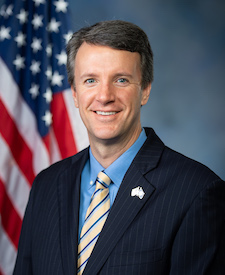
ReportedAdditional sponsors: Mr. Nehls, Mr. Cloud, Mrs. Luna, and Mr. …
Reported with an amendment, committed to the Committee of the …
Placed on the Union Calendar, Calendar No. 477.
Reported (Amended) by the Committee on Judiciary. H. Rept. 119-555.
Ordered to be Reported (Amended) by the Yeas and Nays: …
Committee Consideration and Mark-up Session Held
Committee Consideration and Mark-up Session Held
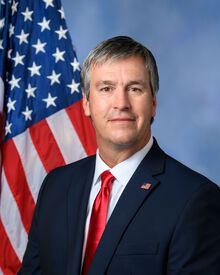
Mr. Gill of Texas (for himself, Mr. Moore of Alabama, …
Referred to the House Committee on the Judiciary.
Introduced in House
Stakeholder Effects
cui bono?How this legislation distributes effects. Mention counts reflect frequency, not effect magnitude.
Communities favoring stricter immigration enforcement, Covered criminal noncitizens, Noncitizens linked to criminal gangs
Covered criminal noncitizens, Noncitizens linked to criminal gangs face effects in multiple directions
DHS removal officers, ICE detention officers
DHS removal officers, ICE detention officers face effects in multiple directions
Immigration defense attorneys
Immigration defense attorneys faces effects in multiple directions
Bill Structure & Actor Mappings
Who is "The Secretary" in each section?
- "dhs"
- → Department of Homeland Security
- "ice"
- → Immigration and Customs Enforcement
We use a combination of our own taxonomy and classification in addition to large language models to assess meaning and potential beneficiaries. High confidence means strong textual evidence. Always verify with the original bill text.
Learn more about our methodology