Voter Purge Protection Act
Summary
What This Bill Does
The Voter Purge Protection Act creates a new National Voter Registration Act section governing when states may remove registered voters from federal-election rolls. States may not remove a registrant unless they verify ineligibility using objective and reliable evidence. Failure to vote, failure to respond to a notice unless the notice is returned undeliverable, and failure to take other voting-related actions cannot count as objective and reliable evidence. Within 48 hours after removing a registrant for any reason, states must send the former registrant notice stating the grounds for removal and how to contest or reinstate registration, including a phone number for the relevant election official, except for written confirmations of ineligibility and death removals. Within 48 hours after any general list-maintenance program, states must provide public notice through reasonable methods, including newspapers or election websites, telling voters to check registration status. That public notice must be accessible to voters with disabilities, including low-vision and blind voters. States also may not send residence-change notices unless they have objective and reliable evidence of a move outside the jurisdiction.
Who Benefits and How
Registered voters benefit because states must have objective and reliable evidence before removing them from federal-election rolls. Voters who rarely vote benefit because inactivity alone cannot justify removal. Voters with disabilities benefit because public list-maintenance notices must be reasonably convenient and accessible. Voting rights organizations benefit from clearer federal standards for contesting purge practices.
Who Bears the Burden and How
State election officials must verify evidence, send 48-hour individual notices, publish accessible public notices, and update list-maintenance procedures. Local election officials must provide contest and reinstatement information, including phone contacts. State voter-roll maintenance vendors must adjust matching and notice workflows to avoid prohibited inactivity-based removals. Election litigation teams may face more disputes over whether evidence is objective and reliable.
Key Provisions
- Requires objective and reliable evidence before a state removes a voter from federal-election rolls.
- Bars nonvoting, failure to respond to notices, and other inactivity from serving as removal evidence.
- Requires 48-hour individual notices with grounds, contest procedures, reinstatement information, and election official phone numbers.
- Requires public, accessible notice within 48 hours after general list-maintenance programs.
- Limits residence-change notices to cases supported by objective and reliable evidence.
Evidence Chain:
This summary is generated from the full bill text using AI analysis. Expand "Detailed Analysis" below for identified beneficiaries/burden bearers with clause-level evidence links.
At a Glance
What This Bill Does
Amends the National Voter Registration Act to prohibit states from removing voters from federal-election rolls without objective and reliable evidence of ineligibility, require 48-hour individual removal notices, require public notices after list-maintenance programs, and limit residence-change notices to evidence-backed cases.
Key Policy Areas
Voting Rights, Elections, State Administration
Primary Purpose
Amends the National Voter Registration Act to prohibit states from removing voters from federal-election rolls without objective and reliable evidence of ineligibility, require 48-hour individual removal notices, require public notices after list-maintenance programs, and limit residence-change notices to evidence-backed cases.
Policy Domains
Resolution provisions
Identified Gains
- Registered voters
- Voters who rarely vote
- Voters with disabilities
- Voting rights organizations
Identified Costs
- State election officials
- Local election officials
- State voter-roll maintenance vendors
- Election litigation teams
Sponsors
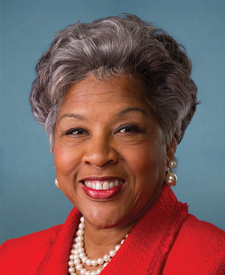
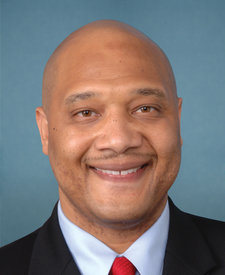
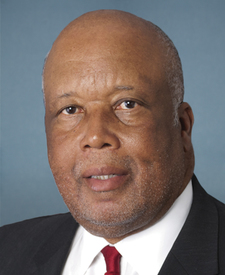


Legislative Progress
In CommitteeMrs. Beatty (for herself, Ms. Brown, Ms. Schakowsky, Ms. Norton, …
Referred to the House Committee on House Administration.
Introduced in House
Stakeholder Effects
cui bono?How this legislation distributes effects. Mention counts reflect frequency, not effect magnitude.
Local election officials, State election officials
Bill Structure & Actor Mappings
Who is "The Secretary" in each section?
We use a combination of our own taxonomy and classification in addition to large language models to assess meaning and potential beneficiaries. High confidence means strong textual evidence. Always verify with the original bill text.
Learn more about our methodology