To establish a grant program to assist eligible entities in developing or expanding behavioral health crisis response programs that do not rely primarily on law enforcement, and for other purposes.
Summary
What This Bill Does
Creates an HHS competitive grant program to help eligible entities develop or expand behavioral health crisis response programs that do not rely primarily on law enforcement.
Who Benefits and How
Local and Tribal governments, emergency medical responders, community behavioral health providers, and nonprofit partners could receive funding to build or expand clinician-led crisis response alternatives to police-led responses.
Who Bears the Burden and How
HHS would need to run the grant program and collect annual reports, while grantees would need to comply with reporting requirements and operate within State-law limits.
Key Provisions
- Requires HHS to establish a competitive grant program for non-law-enforcement behavioral health crisis response.
- Makes local and Tribal governments, EMS or fire agencies, certified community behavioral health clinics, and certain nonprofits eligible.
- Allows funds to support staffing, dispatch integration, outreach, transfer protocols, and clinician-led or EMS-led crisis response.
- Requires annual grantee reporting and prioritizes jurisdictions without robust existing non-law-enforcement crisis response programs.
Evidence Chain:
This summary is generated from the full bill text using AI analysis. Expand "Detailed Analysis" below for identified beneficiaries/burden bearers.
At a Glance
What This Bill Does
Creates an HHS competitive grant program to help eligible entities develop or expand behavioral health crisis response programs that do not rely primarily on law enforcement.
Key Policy Areas
Healthcare, Criminal Justice, Government Operations
Primary Purpose
Creates an HHS competitive grant program to help eligible entities develop or expand behavioral health crisis response programs that do not rely primarily on law enforcement.
Policy Domains
Main Provisions
Identified Gains
Contextual inference, no direct clause citation- Eligible local, Tribal, emergency medical, behavioral health, and nonprofit responders developing non-law-enforcement crisis response capacity
- People experiencing behavioral health emergencies who could receive clinician-led or EMS-led responses
Contextual inference, no direct clause citation
Identified Costs
Contextual inference, no direct clause citation- HHS officials and grantees responsible for administering and reporting on the new program
Contextual inference, no direct clause citation
Sponsors



Legislative Progress
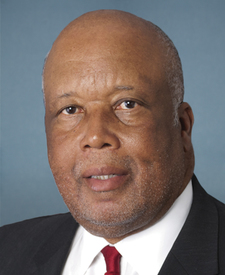
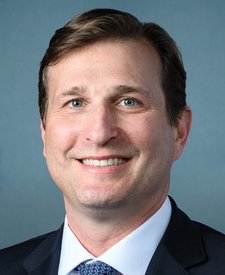
IntroducedMs. Ansari (for herself, Mrs. Watson Coleman, Ms. Clarke of …
Stakeholder Effects
cui bono?How this legislation distributes effects. Mention counts reflect frequency, not effect magnitude.
Eligible emergency medical, behavioral health, Tribal, local-government, and nonprofit responders receiving support to expand non-law-enforcement crisis response
People experiencing behavioral health emergencies who could receive more clinician-led or EMS-led crisis response options
HHS officials and grantees required to administer, monitor, and report on the grant program
Bill Structure & Actor Mappings
Who is "The Secretary" in each section?
- "the_secretary"
- → Secretary of Health and Human Services
- "the_assistant_secretary"
- → Assistant Secretary for Mental Health and Substance Use
We use a combination of our own taxonomy and classification in addition to large language models to assess meaning and potential beneficiaries. High confidence means strong textual evidence. Always verify with the original bill text.
Learn more about our methodology