Organic Science and Research Investment Act of 2025
Summary
What This Bill Does
The Organic Science and Research Investment Act of 2025 expands USDA organic agriculture research, transition research, and market data work. It creates a Coordinating and Expanding Organic Research Initiative inside USDA's research mission area, with 12 to 18 competitive service or Senior Executive Service members drawn from ARS, NIFA, the Office of the Chief Scientist, the National Organic Program, ERS, and NASS. The initiative must coordinate USDA organic and transition-to-organic research, review ongoing work, develop iterative strategic plans, conduct surveys, consult the National Organic Standards Board, land-grant universities, organic and conventional farmers, ranchers, handlers, and service organizations, and feed recommendations into USDA budget materials. The bill extends and expands the Organic Research and Extension Initiative through 2030, adds traditional ecological knowledge, alternatives to National List substances, and climate mitigation and adaptation topics, requires 1994 Institutions or Alaska Native-serving or Native Hawaiian-serving institutions to direct Indigenous knowledge projects, and requires free, prior, and informed consent plus attribution for Tribal or Native Hawaiian knowledge. OREI authorizations rise from $60 million in fiscal year 2026 to $100 million in fiscal year 2030 and each year after. New transition-to-organic competitive grants support producer partnerships, on-farm research, ecosystem services, greenhouse gas mitigation, water management, biodiversity, pest management, and minority-serving institution involvement, authorized at $10 million in fiscal years 2026 and 2027 and $20 million in fiscal year 2028 and afterward. ERS must also analyze the economic impacts of organic agriculture on rural and urban communities, submit a plan within one year, report results within three years, and organic data initiatives receive $10 million authorizations.
Who Benefits and How
Organic producers benefit from coordinated USDA research, higher OREI funding, and research on climate adaptation, National List alternatives, and ecosystem services. Farmers transitioning to organic benefit from new competitive grants focused on barriers, on-farm research, soil health, water management, biodiversity, and pest management. 1994 Institutions and Native-serving institutions benefit from project-director roles in traditional ecological knowledge grants. Tribal knowledge holders benefit because grants using Indigenous traditional ecological knowledge require free, prior, informed consent and attribution.
Who Bears the Burden and How
USDA research mission staff must appoint the initiative, coordinate across ARS, NIFA, ERS, NASS, National Organic Program, and the Chief Scientist, and report through budget materials. NIFA grant administrators must implement expanded OREI purposes, rising authorizations, Indigenous knowledge safeguards, and transition-to-organic grants. ERS economic analysts must plan and complete organic economic impact analysis covering local economies, labor markets, environmental quality, social dynamics, and land ownership. Federal taxpayers fund increased organic research, transition grants, and market-data authorizations.
Key Provisions
- Establishes a 12-to-18 member USDA Coordinating and Expanding Organic Research Initiative.
- Requires USDA organic research coordination, surveys, strategic plans, stakeholder consultation, and budget-response reporting.
- Expands OREI to traditional ecological knowledge, National List alternatives, and climate mitigation and adaptation.
- Requires Indigenous knowledge grants to use 1994, Alaska Native-serving, or Native Hawaiian-serving project directors, consent, and attribution.
- Authorizes OREI at $60 million in fiscal year 2026, rising to $100 million in fiscal year 2030 and afterward.
- Creates transition-to-organic research grants authorized at $10 million in fiscal years 2026 and 2027 and $20 million in fiscal year 2028 and afterward.
- Requires ERS organic economic impact analysis and funds organic production and market data initiatives.
Evidence Chain:
This summary is generated from the full bill text using AI analysis. Expand "Detailed Analysis" below for identified beneficiaries/burden bearers with clause-level evidence links.
At a Glance
What This Bill Does
Creates a USDA Coordinating and Expanding Organic Research Initiative, expands Organic Research and Extension Initiative purposes and appropriations, creates transition-to-organic research grants, and funds organic production and market data analysis.
Key Policy Areas
Agriculture, Research, Organic Farming
Primary Purpose
Creates a USDA Coordinating and Expanding Organic Research Initiative, expands Organic Research and Extension Initiative purposes and appropriations, creates transition-to-organic research grants, and funds organic production and market data analysis.
Policy Domains
Resolution provisions
Identified Gains
- Organic producers
- Farmers transitioning to organic
- 1994 Institutions
- Native-serving institutions
- Tribal knowledge holders
Identified Costs
- USDA research mission staff
- NIFA grant administrators
- ERS economic analysts
- Federal taxpayers
Sponsors

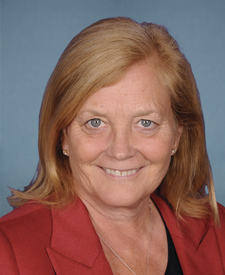
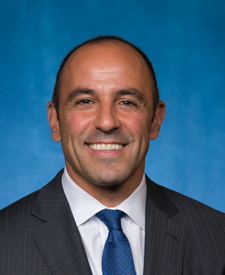


Legislative Progress
In CommitteeReferred to the Subcommittee on Conservation, Research, and Biotechnology.
Mr. Vindman (for himself and Mr. Lawler) introduced the following …
Referred to the House Committee on Agriculture.
Introduced in House
Stakeholder Effects
cui bono?How this legislation distributes effects. Mention counts reflect frequency, not effect magnitude.
ARS organic researchers, ERS economic analysts, NIFA grant administrators
Farmers transitioning to organic, Organic producers
1890 Institutions, 1994 Institutions, Hispanic-serving institutions
Bill Structure & Actor Mappings
Who is "The Secretary" in each section?
We use a combination of our own taxonomy and classification in addition to large language models to assess meaning and potential beneficiaries. High confidence means strong textual evidence. Always verify with the original bill text.
Learn more about our methodology