To authorize for a grant program for handgun licensing programs, and for other purposes.
Summary
What This Bill Does
The bill requires findings Congress finds as follows: In 2020, 59 percent of firearm homicides in the United States in which a fireman type was specified were committed by a handgun, creates grant program authorized for handgun licensing Title I of the Omnibus Crime Control and Safe Streets Act of 1968 (34 U.S.C, and creates grant program The Attorney General may award grants to States, units of local government, and Indian tribes for the development, implementation, and evaluation of handgun purchaser licensing requirements. It relies on appropriations, grants, compliance mandates, and reporting requirements. The main policy areas are Civil Rights, Foreign Businesses, Criminal Justice, and Foreign Policy.
Who Benefits and How
Law enforcement, justice-system actors, and affected communities could face lower compliance burdens, Tribal governments and members affected by the bill could face lower compliance burdens, and Immigrants, asylum seekers, and border communities affected by the bill could face lower compliance burdens.
Who Bears the Burden and How
Federal, state, or local agencies responsible for implementing the clause would take on compliance duties.
Key Provisions
- Requires findings Congress finds as follows: In 2020, 59 percent of firearm homicides in the United States in which a fireman type was specified were committed by a handgun.
- Creates grant program authorized for handgun licensing Title I of the Omnibus Crime Control and Safe Streets Act of 1968 (34 U.S.C.
- Creates grant program The Attorney General may award grants to States, units of local government, and Indian tribes for the development, implementation, and evaluation of handgun purchaser licensing requirements.
Evidence Chain:
This summary is generated from the full bill text using AI analysis. Expand "Detailed Analysis" below for identified beneficiaries/burden bearers with clause-level evidence links.
At a Glance
What This Bill Does
The bill requires findings Congress finds as follows: In 2020, 59 percent of firearm homicides in the United States in which a fireman type was specified were committed by a handgun, creates grant program authorized for handgun licensing Title I of the Omnibus Crime Control and Safe Streets Act of 1968 (34 U.S.C, and creates grant program The Attorney General may award grants to States, units of local government, and Indian tribes for the development, implementation, and evaluation of handgun purchaser licensing requirements.
Key Policy Areas
Civil Rights, Foreign Businesses, Criminal Justice, Foreign Policy
Primary Purpose
The bill requires findings Congress finds as follows: In 2020, 59 percent of firearm homicides in the United States in which a fireman type was specified were committed by a handgun, creates grant program authorized for handgun licensing Title I of the Omnibus Crime Control and Safe Streets Act of 1968 (34 U.S.C, and creates grant program The Attorney General may award grants to States, units of local government, and Indian tribes for the development, implementation, and evaluation of handgun purchaser licensing requirements.
Policy Domains
Whole bill
Identified Gains
- Law enforcement, justice-system actors, and affected communities
- Tribal governments and members affected by the bill
- Immigrants, asylum seekers, and border communities affected by the bill
- Researchers and scientific institutions affected by the bill
- Foreign businesses and cross-border trade participants affected by the bill
Identified Costs
- Federal, state, or local agencies responsible for implementing the clause
Sponsors
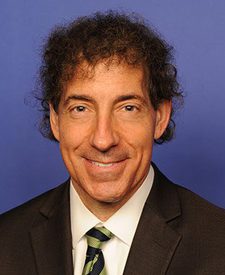
Jamie Raskin
D-MD | Primary Sponsor
Legislative Progress
IntroducedMr. Raskin (for himself and Mrs. Hayes) introduced the following …
Stakeholder Effects
cui bono?How this legislation distributes effects. Mention counts reflect frequency, not effect magnitude.
Law enforcement, justice-system actors, and affected communities
Bill Structure & Actor Mappings
Who is "The Secretary" in each section?
We use a combination of our own taxonomy and classification in addition to large language models to assess meaning and potential beneficiaries. High confidence means strong textual evidence. Always verify with the original bill text.
Learn more about our methodology