PNA Modernization Act
Summary
What This Bill Does
The PNA Modernization Act updates the Medicaid personal needs allowance for people in institutions. Under current law, many institutionalized Medicaid beneficiaries must contribute most income toward care but retain a small monthly allowance for personal expenses. The bill raises the individual minimum from $30 to $60 beginning January 1, 2026, raises the couple amount from $60 to $120, and then increases those dollar amounts whenever Social Security title II benefits receive a cost-of-living adjustment after November 2025. The practical effect is more retained spending money for institutionalized Medicaid beneficiaries and automatic inflation protection rather than a fixed allowance.
Who Benefits and How
Institutionalized Medicaid beneficiaries benefit because the monthly personal needs allowance increases from $30 to $60. Institutionalized Medicaid couples benefit because the couple allowance increases from $60 to $120. Nursing facility residents benefit from retaining more income for clothing, toiletries, phone service, transportation, and other personal items. Long-term care advocates benefit from an indexed allowance that no longer erodes whenever Social Security benefits rise.
Who Bears the Burden and How
State Medicaid agencies must update eligibility, post-eligibility income, and patient-liability calculations. Nursing facility billing offices must adjust resident account and contribution calculations. CMS Medicaid staff must update guidance and oversight for the new allowance levels. Federal and state Medicaid financing may bear higher costs because beneficiaries contribute slightly less income toward care.
Key Provisions
- Amends Medicaid personal needs allowance rules for institutionalized individuals and couples.
- Provides a $60 individual monthly allowance and $120 couple allowance beginning January 1, 2026.
- Requires future allowance increases to match Social Security cost-of-living adjustments after November 2025.
- Protects institutionalized Medicaid beneficiaries' retained income for personal expenses.
Evidence Chain:
This summary is generated from the full bill text using AI analysis. Expand "Detailed Analysis" below for identified beneficiaries/burden bearers with clause-level evidence links.
At a Glance
What This Bill Does
Doubles the Medicaid minimum monthly personal needs allowance for institutionalized individuals and couples beginning January 1, 2026, and indexes those amounts to Social Security cost-of-living increases after November 2025.
Key Policy Areas
Medicaid, Long-Term Care, Social Security
Primary Purpose
Doubles the Medicaid minimum monthly personal needs allowance for institutionalized individuals and couples beginning January 1, 2026, and indexes those amounts to Social Security cost-of-living increases after November 2025.
Policy Domains
Resolution provisions
Identified Gains
- Institutionalized Medicaid beneficiaries
- Institutionalized Medicaid couples
- Nursing facility residents
- Long-term care advocates
Identified Costs
- State Medicaid agencies
- Nursing facility billing offices
- CMS Medicaid staff
- Federal Medicaid financing
Sponsors



Legislative Progress
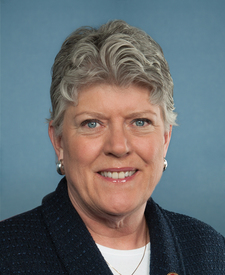
In CommitteeMs. Moore of Wisconsin (for herself, Mrs. Watson Coleman, Ms. …
Referred to the House Committee on Energy and Commerce.
Introduced in House
Stakeholder Effects
cui bono?How this legislation distributes effects. Mention counts reflect frequency, not effect magnitude.
Federal Medicaid financing, Institutionalized Medicaid beneficiaries, Institutionalized Medicaid couples
Positive-direction: Institutionalized Medicaid beneficiaries, Institutionalized Medicaid couples
Negative-direction: Federal Medicaid financing
Nursing facility billing offices, Nursing facility residents
Positive-direction: Nursing facility residents
Negative-direction: Nursing facility billing offices
Bill Structure & Actor Mappings
Who is "The Secretary" in each section?
We use a combination of our own taxonomy and classification in addition to large language models to assess meaning and potential beneficiaries. High confidence means strong textual evidence. Always verify with the original bill text.
Learn more about our methodology