Reducing Unnecessary Slowdowns in Handling Act
Summary
What This Bill Does
The Reducing Unnecessary Slowdowns in Handling Act sets processing deadlines for ATF applications. ATF must complete most applications for a license, permit, authorization, or required federal form within 90 calendar days after receipt, and applications relating to firearms licenses under 18 U.S.C. 923 within 60 calendar days. Within 90 days after enactment and every 90 days thereafter, ATF must report to House Oversight, House Judiciary, Senate Judiciary, and the public on each type of application received, approved, denied, pending, processing times, reasons for delays, and reasons for denials. ATF must create a process for applicants to appeal denials or compel completion when processing misses the statutory deadline. It must also identify causes of noncompliance, take corrective actions, eliminate repetitive reviews and unnecessary administrative steps, revise outdated or duplicative procedures, and implement the Act using existing salaries and expenses funds without hiring more personnel or acquiring additional resources.
Who Benefits and How
Firearms license applicants benefit from a 60-day statutory deadline and a process to appeal denials or compel late processing. Permit applicants before ATF benefit from a 90-day deadline and public reporting on delays and denials. Regulated firearms businesses benefit from more predictable ATF license, permit, authorization, and form processing timelines. Congressional oversight committees benefit from quarterly public data on ATF application workloads and bottlenecks.
Who Bears the Burden and How
ATF application processing staff must meet 60-day and 90-day deadlines using existing resources. ATF managers must create appeals, delay-compulsion, noncompliance-correction, and procedure-streamlining systems. ATF reporting staff must publish quarterly data in an easily accessible format. Applicants denied by ATF still bear the burden of using the new appeal process if they contest the denial.
Key Provisions
- Requires ATF to complete most covered applications within 90 calendar days.
- Requires ATF to complete firearms-license applications under 18 U.S.C. 923 within 60 calendar days.
- Requires quarterly congressional and public reports on application counts, processing times, delays, and denials.
- Requires appeal and delay-compulsion processes for applicants.
- Requires internal corrective actions and procedural streamlining using existing resources.
Evidence Chain:
This summary is generated from the full bill text using AI analysis. Expand "Detailed Analysis" below for identified beneficiaries/burden bearers with clause-level evidence links.
At a Glance
What This Bill Does
Requires the Bureau of Alcohol, Tobacco, Firearms, and Explosives to complete most applications within 90 days and firearms-license applications within 60 days, publish quarterly application-processing reports, create appeal and delay-compulsion processes, correct noncompliance, and streamline procedures without new personnel or resources.
Key Policy Areas
Firearms, Administrative Procedure, Government Oversight
Primary Purpose
Requires the Bureau of Alcohol, Tobacco, Firearms, and Explosives to complete most applications within 90 days and firearms-license applications within 60 days, publish quarterly application-processing reports, create appeal and delay-compulsion processes, correct noncompliance, and streamline procedures without new personnel or resources.
Policy Domains
Resolution provisions
Identified Gains
- Firearms license applicants
- Permit applicants before ATF
- Regulated firearms businesses
- Congressional oversight committees
Identified Costs
- ATF application processing staff
- ATF managers
- ATF reporting staff
- Applicants denied by ATF
Sponsors
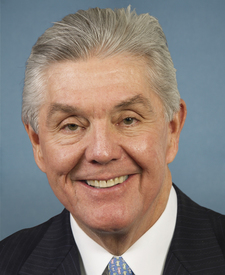
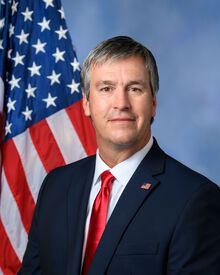

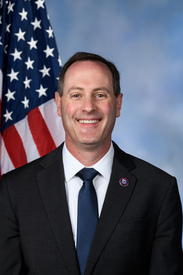
Legislative Progress
In CommitteeMr. Williams of Texas (for himself and Mr. Moore of …
Referred to the House Committee on the Judiciary.
Introduced in House
Stakeholder Effects
cui bono?How this legislation distributes effects. Mention counts reflect frequency, not effect magnitude.
ATF application processing staff, ATF managers, ATF reporting staff
Firearms license applicants, Permit applicants before ATF
Bill Structure & Actor Mappings
Who is "The Secretary" in each section?
We use a combination of our own taxonomy and classification in addition to large language models to assess meaning and potential beneficiaries. High confidence means strong textual evidence. Always verify with the original bill text.
Learn more about our methodology