To ensure continuity of pay and allowances for members of the Armed Forces in the event of a lapse in appropriations.
Analysis under review: This bill has generated analysis that may be too generic or incomplete. Clause-level evidence remains available below.
Summary
What This Bill Does
Provides automatic fiscal year 2026 appropriations for pay and allowances of Armed Forces members, certain supporting civilian employees, and certain supporting contractors during lapses in appropriations, until appropriations are enacted, denied, or January 1, 2027 arrives.
Who Benefits and How
Service members, reserve personnel on duty or training, supporting civilian employees, and certain supporting contractors could continue receiving pay and allowances during a shutdown.
Who Bears the Burden and How
Federal defense spending would continue automatically during a lapse, and Defense and Homeland Security officials would need to determine which support personnel and contractors qualify.
Key Provisions
- Automatically appropriates the sums necessary to pay Armed Forces members during a fiscal year 2026 lapse in appropriations.
- Extends the temporary pay authority to qualifying civilian employees and contractors supporting those members, including Coast Guard support personnel when relevant.
- Ends the temporary authority when relevant appropriations are enacted, when a funding act omits the purpose, or on January 1, 2027.
- Defines active service, inactive-duty training, reserve components, and the Secretary concerned.
Evidence Chain:
This summary is generated from the full bill text using AI analysis. Expand "Detailed Analysis" below for identified beneficiaries/burden bearers.
At a Glance
What This Bill Does
Provides automatic fiscal year 2026 appropriations for pay and allowances of Armed Forces members, certain supporting civilian employees, and certain supporting contractors during lapses in appropriations, until appropriations are enacted, denied, or January 1, 2027 arrives.
Key Policy Areas
Defense, Government Operations, Budget, Labor
Primary Purpose
Provides automatic fiscal year 2026 appropriations for pay and allowances of Armed Forces members, certain supporting civilian employees, and certain supporting contractors during lapses in appropriations, until appropriations are enacted, denied, or January 1, 2027 arrives.
Policy Domains
Main Provisions
Identified Gains
Contextual inference, no direct clause citation- Armed Forces members and qualifying support personnel receiving uninterrupted pay during a shutdown
Contextual inference, no direct clause citation
Identified Costs
Contextual inference, no direct clause citation- Defense and Homeland Security officials administering the temporary pay authority and federal budget managers financing it
Contextual inference, no direct clause citation
Sponsors


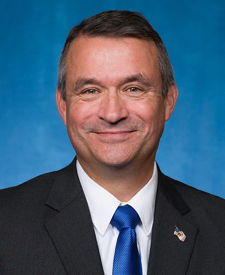
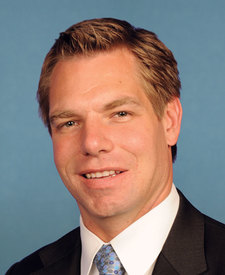

Legislative Progress
IntroducedMrs. Sykes (for herself, Mr. Bacon, Ms. Craig, Ms. Brownley, …
Stakeholder Effects
cui bono?How this legislation distributes effects. Mention counts reflect frequency, not effect magnitude.
Members of the Armed Forces and reserve components performing covered service or training during a shutdown
Qualifying civilian employees and contractors supporting covered military personnel
Defense and Homeland Security officials determining coverage and administering shutdown pay continuity
Bill Structure & Actor Mappings
Who is "The Secretary" in each section?
- "secretary_concerned"
- → Secretary of Defense or Secretary of Homeland Security, as applicable
We use a combination of our own taxonomy and classification in addition to large language models to assess meaning and potential beneficiaries. High confidence means strong textual evidence. Always verify with the original bill text.
Learn more about our methodology