To amend subpart 1 of part B of title IV of the Social Security Act to require States, as a condition of Federal support for child welfare services programs, to facilitate access to advocates and advocacy resources for parents in any child welfare case or interaction involving a child of the parent, and for other purposes.
Analysis under review: This bill has generated analysis that may be too generic or incomplete. Clause-level evidence remains available below.
Summary
What This Bill Does
Makes State child welfare services plans include rules allowing parents, foster parents, and legal guardians to seek and use family advocates in child welfare cases and requires recurring federal reports to Congress on how the right is working.
Who Benefits and How
Parents, foster parents, and legal guardians in child welfare cases would get a clearer right to seek family advocates and information about available advocacy resources.
Who Bears the Burden and How
States would need to revise child-welfare laws, procedures, notices, professional-conduct standards, and reporting, and HHS would have to compile and transmit biennial reports to Congress.
Key Provisions
- Conditions federal child welfare services support on State plans allowing parents, foster parents, and legal guardians to seek and receive family advocates in child welfare cases or interactions.
- Specifies that States are not required to pay for advocate services even while recognizing the right to use them.
- Requires States to inform covered adults of their right to an advocate and available local resources from the start of a child welfare case or interaction.
- Requires States to report effects and recommendations to HHS and requires HHS to submit a biennial report to specified congressional committees.
Evidence Chain:
This summary is generated from the full bill text using AI analysis. Expand "Detailed Analysis" below for identified beneficiaries/burden bearers.
At a Glance
What This Bill Does
Makes State child welfare services plans include rules allowing parents, foster parents, and legal guardians to seek and use family advocates in child welfare cases and requires recurring federal reports to Congress on how the right is working.
Key Policy Areas
Child Welfare, Social Programs, State Government
Primary Purpose
Makes State child welfare services plans include rules allowing parents, foster parents, and legal guardians to seek and use family advocates in child welfare cases and requires recurring federal reports to Congress on how the right is working.
Policy Domains
Main Provisions
Identified Gains
Contextual inference, no direct clause citation- Parents, foster parents, and legal guardians seeking advocacy support in child welfare matters
Contextual inference, no direct clause citation
Identified Costs
Contextual inference, no direct clause citation- State child welfare agencies and HHS administrators implementing notice, conduct, and reporting requirements
Contextual inference, no direct clause citation
Sponsors
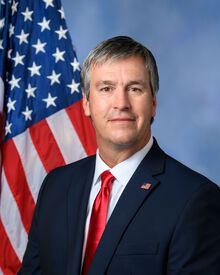
Legislative Progress
IntroducedMr. Moore of Alabama introduced the following bill; which was …
Stakeholder Effects
cui bono?How this legislation distributes effects. Mention counts reflect frequency, not effect magnitude.
Parents, foster parents, and legal guardians in child welfare cases seeking family advocacy support
State child welfare agencies revising plans, notices, standards, and submissions to HHS
Family advocates serving child welfare matters
Bill Structure & Actor Mappings
Who is "The Secretary" in each section?
- "secretary"
- → Secretary of Health and Human Services
We use a combination of our own taxonomy and classification in addition to large language models to assess meaning and potential beneficiaries. High confidence means strong textual evidence. Always verify with the original bill text.
Learn more about our methodology