Veterans Flight Training Responsibility Act of 2025
Summary
What This Bill Does
This bill changes how much Post-9/11 GI Bill entitlement can be used for flight training at a public institution of higher learning. It amends title 38 so that, for a veteran or other eligible student pursuing a public-institution flight-training program, the maximum total VA payment for flight-training fees is $100,000. The cap is not frozen: for each fiscal year, the VA Secretary must increase it by the Consumer Price Index change for the 12-month period ending on the prior June 30.
The bill applies prospectively. Students who first pursue a flight-training program on or after August 1, 2026 are subject to the new cap. The practical effect is to limit very high-cost public flight-training claims while preserving an inflation-adjusted payment ceiling rather than eliminating flight-training eligibility.
Who Benefits and How
Department of Veterans Affairs education benefits staff benefit from a clear statutory ceiling for flight-training fee payments. Federal taxpayers benefit if the cap limits unusually large GI Bill flight-training outlays. Public institutions that can price flight training under the cap benefit from continued eligibility and clearer payment rules. Veterans planning flight training benefit from an explicit dollar limit and annual CPI adjustment rather than an uncapped or unclear payment exposure.
Who Bears the Burden and How
Veterans pursuing high-cost public flight-training programs bear the main burden because VA payments above the cap would no longer be available for students starting on or after August 1, 2026. Public colleges with flight-training programs above the cap may need to reduce costs, explain remaining balances, or help students find other financing. VA claims processors must implement the cap, apply CPI increases, and determine which students first began flight training after the effective date. Flight schools affiliated with public institutions may face pressure to keep fees within the statutory ceiling.
Key Provisions
- Limits VA Post-9/11 GI Bill flight-training fee payments at public institutions to $100,000 per eligible student.
- Requires the VA Secretary to raise the cap each fiscal year using the Consumer Price Index calculation in the bill.
- Applies the new payment cap only to students who first pursue flight training on or after August 1, 2026.
- Provides a specific flight-training limitation while leaving the broader Post-9/11 educational assistance program in place.
Evidence Chain:
This summary is generated from the full bill text using AI analysis. Expand "Detailed Analysis" below for identified beneficiaries/burden bearers.
At a Glance
What This Bill Does
Caps Department of Veterans Affairs Post-9/11 GI Bill payments for public-institution flight training at $100,000 per student, requires annual Consumer Price Index increases to that cap, and applies the limit to students who first pursue flight training on or after August 1, 2026.
Key Policy Areas
Veterans Affairs, Education, Aviation
Primary Purpose
Caps Department of Veterans Affairs Post-9/11 GI Bill payments for public-institution flight training at $100,000 per student, requires annual Consumer Price Index increases to that cap, and applies the limit to students who first pursue flight training on or after August 1, 2026.
Policy Domains
House resolution provisions
Identified Gains
Contextual inference, no direct clause citation- Department of Veterans Affairs education benefits staff
- Federal taxpayers
- Public institutions offering lower-cost flight training
- Veterans planning flight training
Contextual inference, no direct clause citation
Identified Costs
Contextual inference, no direct clause citation- Veterans pursuing high-cost public flight-training programs
- Public colleges with expensive flight-training programs
- VA claims processors
- Flight schools affiliated with public institutions
Contextual inference, no direct clause citation
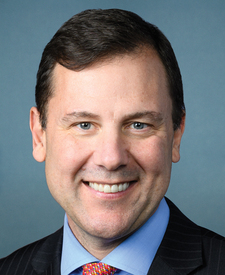
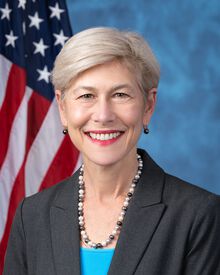
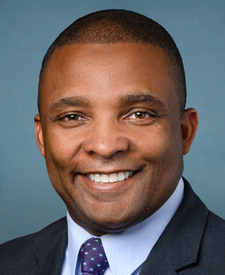
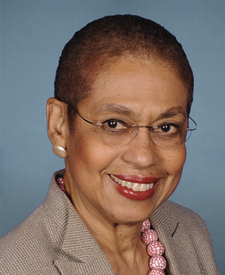
Sponsors

Legislative Progress
ReportedOrdered to be Reported in the Nature of a Substitute …
Committee Consideration and Mark-up Session Held
Subcommittee Consideration and Mark-up Session Held
Subcommittee Consideration and Mark-up Session Held
Subcommittee Hearings Held
Referred to the Subcommittee on Economic Opportunity.
Introduced in House
Referred to the House Committee on Veterans' Affairs.
Mr. Kean (for himself and Mr. McGarvey) introduced the following …
Bill Structure & Actor Mappings
Who is "The Secretary" in each section?
- "va_secretary"
- → Secretary of Veterans Affairs
We use a combination of our own taxonomy and classification in addition to large language models to assess meaning and potential beneficiaries. High confidence means strong textual evidence. Always verify with the original bill text.
Learn more about our methodology