To amend the Omnibus Crime Control and Safe Streets Act of 1968 with respect to eligibility for certain crime control grants.
Summary
What This Bill Does
Makes certain state and local jurisdictions ineligible for specified federal crime-control grants if they substantially limit cash bail for covered offenses, allow personal-recognizance release for prior felons, or reduce law-enforcement budgets outside proportionate overall shortfalls.
Who Benefits and How
Law enforcement agencies and public-safety advocates could benefit from federal grant pressure against bail-reform and law-enforcement budget-reduction policies.
Who Bears the Burden and How
States and local governments with covered bail policies or law-enforcement budget reductions could lose federal grant eligibility, and defendants affected by cash-bail rules may face higher barriers to pretrial release.
Key Provisions
- Provides a short title.
- Bars Byrne/JAG-style grants to states or local governments that substantially limit cash bail for every individual charged with covered offenses.
- Bars those grants to jurisdictions allowing personal-recognizance release for individuals previously convicted of a felony.
- Defines covered offenses to include violent, sexual, and public-disorder offenses.
- Bars COPS-style grants to urbanized local governments that reduced law-enforcement budgets in the prior fiscal year unless the reduction reflected a proportionate overall budget shortfall.
Evidence Chain:
This summary is generated from the full bill text using AI analysis. Expand "Detailed Analysis" below for identified beneficiaries/burden bearers.
At a Glance
What This Bill Does
Makes certain state and local jurisdictions ineligible for specified federal crime-control grants if they substantially limit cash bail for covered offenses, allow personal-recognizance release for prior felons, or reduce law-enforcement budgets outside proportionate overall shortfalls.
Key Policy Areas
Criminal Justice, Appropriations, State Government, Law Enforcement
Primary Purpose
Makes certain state and local jurisdictions ineligible for specified federal crime-control grants if they substantially limit cash bail for covered offenses, allow personal-recognizance release for prior felons, or reduce law-enforcement budgets outside proportionate overall shortfalls.
Policy Domains
Main Provisions
Identified Gains
Contextual inference, no direct clause citation- Law enforcement agencies and public-safety advocates in jurisdictions maintaining cash bail and law-enforcement budgets
Contextual inference, no direct clause citation
Identified Costs
Contextual inference, no direct clause citation- States and local governments with covered bail or law-enforcement budget policies
- Pretrial defendants affected by cash-bail policy requirements
Contextual inference, no direct clause citation
Sponsors




Legislative Progress
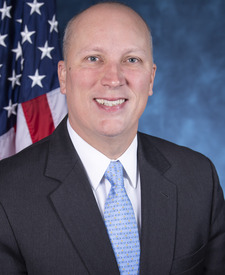
IntroducedMr. Harris of North Carolina (for himself, Mr. Biggs of …
Stakeholder Effects
cui bono?How this legislation distributes effects. Mention counts reflect frequency, not effect magnitude.
States and local governments with covered bail-reform or law-enforcement budget-reduction policies
Law enforcement agencies in jurisdictions maintaining grant-eligible funding and bail policies
Pretrial defendants facing greater cash-bail or release restrictions
Attorney General and DOJ grant administrators enforcing new eligibility limits
Bill Structure & Actor Mappings
Who is "The Secretary" in each section?
- "attorney_general"
- → Attorney General
We use a combination of our own taxonomy and classification in addition to large language models to assess meaning and potential beneficiaries. High confidence means strong textual evidence. Always verify with the original bill text.
Learn more about our methodology