It’s About Time Act
Summary
What This Bill Does
The It's About Time Act moves the federal fiscal year to the calendar year. It amends 31 U.S.C. 1102 so the fiscal year runs from January 1 through December 31 instead of October 1 through September 30, effective January 1, 2027. The President must consult the House and Senate Budget and Appropriations Committees and submit budget estimates for the transition period from October 1, 2026 through December 31, 2026, plus proposed legislation the President considers appropriate for authorizations of appropriations during that period. The OMB Director must provide regulations, orders, or other direction for all federal departments, agencies, instrumentalities, and the District of Columbia government to transition to the new fiscal year and must submit additional proposed legislation if needed. The bill also interprets post-2026 authorization laws that begin on October 1 as beginning January 1 of the following year, laws ending September 30 as ending December 31, and fiscal year 2027 or later authorizations as ending December 31 of the same-numbered calendar year. It amends title 1's fiscal-year definition to end on December 31 for fiscal years beginning on or after January 1, 2027.
Who Benefits and How
Congressional budget committees benefit from a transition budget and proposed legislation for the October-December 2026 bridge period. Appropriations committees benefit from statutory instructions aligning future authorizations with a calendar-year fiscal cycle. Federal budget analysts benefit from a clear effective date and construction rules for post-2026 authorization laws. District of Columbia budget officials benefit from OMB transition direction covering DC government instrumentalities.
Who Bears the Burden and How
Office of Management and Budget staff must issue transition rules, orders, or guidance and prepare proposed legislation. The President must submit transition-period budget estimates and proposed authorization legislation after committee consultation. Federal agencies must convert budgeting, accounting, planning, and reporting systems to a January-December fiscal year. Congress must manage a one-time October 1-December 31, 2026 transition period.
Key Provisions
- Amends the federal fiscal year to run from January 1 through December 31 effective January 1, 2027.
- Requires the President to submit budget estimates for the October 1-December 31, 2026 transition period.
- Requires OMB to direct the transition for federal departments, agencies, instrumentalities, and the District of Columbia government.
- Provides construction rules for future appropriations authorizations that refer to October 1, September 30, or fiscal year 2027 and later.
Evidence Chain:
This summary is generated from the full bill text using AI analysis. Expand "Detailed Analysis" below for identified beneficiaries/burden bearers with clause-level evidence links.
At a Glance
What This Bill Does
Changes the federal fiscal year from October 1-September 30 to January 1-December 31 effective January 1, 2027, requires a transition budget for October 1-December 31, 2026, directs OMB transition rules and proposed legislation, and construes future appropriations authorizations to match the calendar-year fiscal year.
Key Policy Areas
Federal Budget, Appropriations, Government Operations
Primary Purpose
Changes the federal fiscal year from October 1-September 30 to January 1-December 31 effective January 1, 2027, requires a transition budget for October 1-December 31, 2026, directs OMB transition rules and proposed legislation, and construes future appropriations authorizations to match the calendar-year fiscal year.
Policy Domains
Resolution provisions
Identified Gains
- Congressional budget committees
- Appropriations committees
- Federal budget analysts
- District of Columbia budget officials
Identified Costs
- Office of Management and Budget staff
- President of the United States
- Federal agencies
- Congress
Sponsors

Legislative Progress
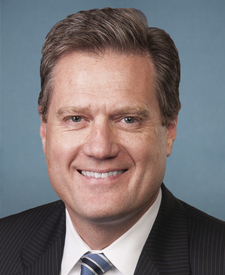
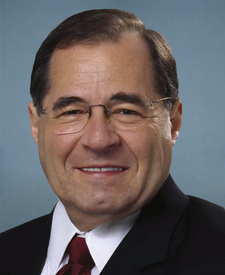
In CommitteeMr. Turner of Ohio (for himself and Mr. Nadler) introduced …
Referred to the Committee on the Budget, and in addition …
Introduced in House
Stakeholder Effects
cui bono?How this legislation distributes effects. Mention counts reflect frequency, not effect magnitude.
District of Columbia budget officials, Federal agencies, Federal budget analysts
Positive-direction: District of Columbia budget officials, Federal budget analysts
Negative-direction: Federal agencies, Office of Management and Budget staff
Appropriations committees, Congressional budget committees
Bill Structure & Actor Mappings
Who is "The Secretary" in each section?
We use a combination of our own taxonomy and classification in addition to large language models to assess meaning and potential beneficiaries. High confidence means strong textual evidence. Always verify with the original bill text.
Learn more about our methodology