To amend the Clean Air Act to prohibit the emission of any greenhouse gas in any quantity from any new electric utility steam generating unit, and for other purposes.
Analysis under review: This bill has generated analysis that may be too generic or incomplete. Clause-level evidence remains available below.
Summary
What This Bill Does
This bill, To amend the Clean Air Act to prohibit the emission of any greenhouse gas in any quantity from any new electric utility steam generating unit, and for other purposes., changes federal law or congressional policy affecting energy producers, utilities, and energy consumers. The main policy domain is Energy, Government Operations, Environment.
Who Benefits and How
energy producers, utilities, and energy consumers may benefit from new authority, funding, eligibility, regulatory clarity, or reduced risk created by the bill.
Who Bears the Burden and How
federal implementing agencies, energy producers, utilities, and energy consumers may take on implementation duties, reporting obligations, compliance costs, or oversight responsibilities.
Key Provisions
- Section H78E9DB99C68B43499E778EFFADFB0F7A: 1. Short title This Act may be cited as the Future Generations Protection Act.
- Section H7C649417420A4A9FA46F7239512E3026: 2. Findings Congress finds the following: The use of fossil fuels exacerbates the climate crisis, threatens America’s natural resources, and disproportionately...
- Section HE207E94411424B45A9CF0E8B706381F2: 3. Emissions of greenhouse gases The Clean Air Act is amended by inserting after section 111 of such Act (42 U.S.C. 7411) the following new section:...
- Section H734E3A64B36A433D8B3D310B7AFE8B3C: 111A. Prohibition against the emission of greenhouse gases from electric utility steam generating units Beginning on the date of enactment of this section, the...
- Section HE0A37733908241EFA079E7103F26219D: 4. Prohibiting hydraulic fracturing Hydraulic fracturing is prohibited on all onshore and offshore land within the jurisdiction of the United States. In this...
Evidence Chain:
This summary is generated from the full bill text using AI analysis. Expand "Detailed Analysis" below for identified beneficiaries/burden bearers with clause-level evidence links.
At a Glance
What This Bill Does
This bill, To amend the Clean Air Act to prohibit the emission of any greenhouse gas in any quantity from any new electric utility steam generating unit, and for other purposes., changes federal law or congressional policy affecting energy producers, utilities, and energy consumers.
Key Policy Areas
Energy, Government Operations, Environment
Primary Purpose
This bill, To amend the Clean Air Act to prohibit the emission of any greenhouse gas in any quantity from any new electric utility steam generating unit, and for other purposes., changes federal law or congressional policy affecting energy producers, utilities, and energy consumers.
Policy Domains
Whole bill
Identified Gains
- energy producers, utilities, and energy consumers
Identified Costs
- federal implementing agencies
- energy producers, utilities, and energy consumers
Sponsors


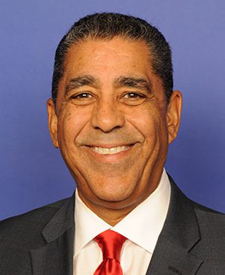


Legislative Progress
IntroducedMs. Schakowsky (for herself, Ms. Barragán, Mr. Bowman, Ms. Bush, …
Impact analysis is available but no clear stakeholder effects identified. View clause-level analysis →
Bill Structure & Actor Mappings
Who is "The Secretary" in each section?
- "the_commission"
- → The commission identified in the operative section
- "administrator_of_epa"
- → Administrator of the Environmental Protection Agency
- "secretary_of_commerce"
- → Secretary of Commerce
We use a combination of our own taxonomy and classification in addition to large language models to assess meaning and potential beneficiaries. High confidence means strong textual evidence. Always verify with the original bill text.
Learn more about our methodology