Expanding Whistleblower Protections for Contractors Act of 2026
Summary
What This Bill Does
This bill broadens whistleblower protections for people working on federal contracts, subcontracts, grants, and subgrants. Section 2 rewrites the defense contractor provision in title 10 so a protected individual cannot be retaliated against for refusing to obey an order that would violate a law, rule, or regulation tied to a DoD or NASA contract, subcontract, grant, or subgrant. It also protects disclosures that the person reasonably believes show gross mismanagement, gross waste, abuse of authority, legal violations, or a substantial and specific danger to public health or safety.
Section 3 makes parallel changes for non-defense federal contracts and grants under title 41. The bill changes covered actors from employees to protected individuals, reaches subcontractors, grantees, subgrantees, personal services contractors, and former employees, and limits the ability to waive whistleblower rights through arbitration agreements. It also allows inspectors general or agency officials to propose discipline against executive branch officials who request reprisals by contractors, subcontractors, grantees, or subgrantees.
Who Benefits and How
Defense contractor employees benefit from broader protection when they refuse illegal orders or report DoD and NASA waste, mismanagement, abuse, or safety dangers. DoD personal services contractors and NASA personal services contractors benefit because the protected-individual language reaches beyond ordinary employees. Federal contractor employees benefit from parallel title 41 protections on civilian contracts and grants. Federal subcontractor workers and federal grantees benefit because the bill protects workers deeper in the federal funding chain. Whistleblower investigators benefit from clearer authority to address reprisals.
Who Bears the Burden and How
Defense contractors and civilian federal contractors face greater compliance burdens because more workers and more disclosures are protected. Federal subcontractors, grantees, and subgrantees must avoid reprisals when workers refuse illegal orders or report covered misconduct. Executive branch officials face disciplinary risk if they request retaliation by a contractor or grantee. DoD, NASA, and civilian agency inspectors general must investigate broader categories of complaints. Contractors using arbitration agreements must stop using waivers that remove covered whistleblower rights.
Key Provisions
- Expands defense contractor whistleblower coverage from employees to protected individuals.
- Protects refusals to obey orders that would violate laws, rules, or regulations tied to contracts or grants.
- Adds protection for disclosures about DoD, NASA, and civilian federal contract or grant waste, mismanagement, abuse, legal violations, and public-safety dangers.
- Extends non-defense contractor protections in title 41 to protected individuals across contracts, subcontracts, grants, and subgrants.
- Allows proposed discipline against executive branch officials who request contractor or grantee reprisals.
- Limits arbitration or agreement provisions that waive covered whistleblower rights.
Evidence Chain:
This summary is generated from the full bill text using AI analysis. Expand "Detailed Analysis" below for identified beneficiaries/burden bearers with clause-level evidence links.
At a Glance
What This Bill Does
Expands federal contractor whistleblower protections by replacing employee-only language with protected individual coverage, protecting refusals to violate law and disclosures about waste, mismanagement, abuse, legal violations, and public-safety dangers, extending coverage to DoD, NASA, and civilian contracts and grants, barring certain arbitration waivers, and allowing disciplinary proposals against officials who request reprisals.
Key Policy Areas
Government Contracting, Labor, Whistleblower Protection, Defense
Primary Purpose
Expands federal contractor whistleblower protections by replacing employee-only language with protected individual coverage, protecting refusals to violate law and disclosures about waste, mismanagement, abuse, legal violations, and public-safety dangers, extending coverage to DoD, NASA, and civilian contracts and grants, barring certain arbitration waivers, and allowing disciplinary proposals against officials who request reprisals.
Policy Domains
House resolution provisions
Identified Gains
- Defense contractor employees
- DoD personal services contractors
- NASA personal services contractors
- Federal contractor employees
- Federal subcontractor workers
- Federal grantees
- Whistleblower investigators
Identified Costs
- Defense contractors
- Civilian federal contractors
- Federal subcontractors
- Federal grantees
- Executive branch officials
- DoD inspectors general
- NASA inspectors general
- Contractors using arbitration agreements
Sponsors
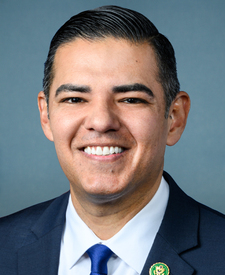
Robert Garcia
D-CA | Primary Sponsor
Legislative Progress
ReportedReceived in the Senate. Read twice. Placed on Senate Legislative …
Motion to reconsider laid on the table Agreed to without …
On motion to suspend the rules and pass the bill, …
Passed/agreed to in House: On motion to suspend the rules …
DEBATE - The House proceeded with forty minutes of debate …
Considered under suspension of the rules. (consideration: CR H4664-4666)
Mr. Burlison moved to suspend the rules and pass the …
Ordered to be Reported (Amended) by the Yeas and Nays: …
Committee Consideration and Mark-up Session Held
Mr. Garcia of California (for himself and Mr. Comer) introduced …
Stakeholder Effects
cui bono?How this legislation distributes effects. Mention counts reflect frequency, not effect magnitude.
Defense contractor employees, Defense contractors, Defense subcontractor workers
Positive-direction: Defense contractor employees, Defense subcontractor workers, DoD personal services contractors
Negative-direction: Defense contractors
DoD inspectors general, Executive branch officials, NASA inspectors general
Positive-direction: NASA personal services contractors
Negative-direction: DoD inspectors general, Executive branch officials, NASA inspectors general
Bill Structure & Actor Mappings
Who is "The Secretary" in each section?
- "nasa"
- → National Aeronautics and Space Administration
- "dod_ig"
- → Department of Defense Inspector General
We use a combination of our own taxonomy and classification in addition to large language models to assess meaning and potential beneficiaries. High confidence means strong textual evidence. Always verify with the original bill text.
Learn more about our methodology