FASTER Act
Summary
What This Bill Does
Directs FEMA to make competitive multiyear grants to fire departments for programs that improve home safety and prevent falls for older adults, with cost-sharing, waiver, technical-assistance, and application rules.
Who Benefits and How
Career, combination, and volunteer fire departments could receive federal funding for home-safety and fall-prevention work, and older adults could benefit from safer homes, faster emergency access, and reduced fall risk.
Who Bears the Burden and How
FEMA would need to administer and review grants, while recipients must satisfy cost-share, application, budgeting, and anti-supplanting requirements unless waived for hardship.
Key Provisions
- States findings on the scale and cost of falls among adults age 65 and older and the role of fire personnel in prevention and response.
- Requires FEMA to make three-year grants directly to career, combination, and volunteer fire departments for home-safety and fall-prevention programs.
- Allows technical assistance, prescribes federal cost shares, and requires competitive peer review and detailed applications.
- Limits use of funds to specified safety, staffing, health-information, home-modification, and referral activities, with hardship-waiver authority and non-supplanting rules.
Evidence Chain:
This summary is generated from the full bill text using AI analysis. Expand "Detailed Analysis" below for identified beneficiaries/burden bearers.
At a Glance
What This Bill Does
Directs FEMA to make competitive multiyear grants to fire departments for programs that improve home safety and prevent falls for older adults, with cost-sharing, waiver, technical-assistance, and application rules.
Key Policy Areas
Criminal Justice, Healthcare, Aging
Primary Purpose
Directs FEMA to make competitive multiyear grants to fire departments for programs that improve home safety and prevent falls for older adults, with cost-sharing, waiver, technical-assistance, and application rules.
Policy Domains
Main Provisions
Identified Gains
Contextual inference, no direct clause citation- Fire departments implementing senior home-safety programs and older adults at risk of falls
Contextual inference, no direct clause citation
Identified Costs
Contextual inference, no direct clause citation- FEMA administrators and grantees subject to grant-management, matching, and anti-supplanting requirements
Contextual inference, no direct clause citation
Sponsors



Legislative Progress
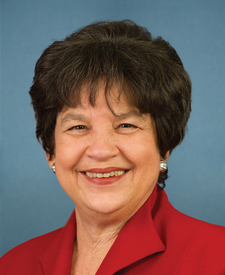
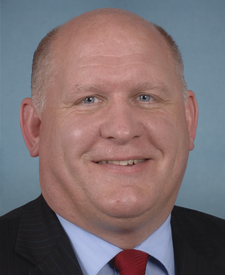
In CommitteeMs. Lois Frankel of Florida (for herself, Mr. Ciscomani, Mr. …
Referred to the House Committee on Science, Space, and Technology.
Introduced in House
Stakeholder Effects
cui bono?How this legislation distributes effects. Mention counts reflect frequency, not effect magnitude.
Career, combination, and volunteer fire departments implementing senior home-safety and fall-prevention programs
Older adults who could receive safer-home interventions and faster emergency access
FEMA officials administering competitive reviews, waivers, and compliance rules for the grants
Bill Structure & Actor Mappings
Who is "The Secretary" in each section?
- "administrator"
- → Administrator of FEMA
We use a combination of our own taxonomy and classification in addition to large language models to assess meaning and potential beneficiaries. High confidence means strong textual evidence. Always verify with the original bill text.
Learn more about our methodology