Ejiao Act of 2025
Summary
What This Bill Does
The Ejiao Act of 2025 targets the commercial supply chain for ejiao, a gelatin made from donkey skin and used in traditional medicine, beauty, cosmetic, and luxury products. Congress finds that global demand is about 8 million to 10 million skins per year, that China's annual supply is below 1.8 million, that China's donkey population has fallen 76 percent since 1992, and that the trade harms families in Africa and Latin America that rely on donkeys for farming, water transport, market access, construction, and school transportation. The bill makes it unlawful to knowingly import, export, transport, sell, receive, acquire, or purchase donkeys or donkey hides in U.S. interstate or foreign commerce for producing ejiao or products containing ejiao, and separately bans commerce in products containing ejiao, including internet sales. Violators face CBP civil penalties of up to $10,000 per violation, criminal penalties for knowing import/export or sale/purchase conduct, and forfeiture of donkeys, hides, ejiao products, and in felony cases vessels, vehicles, aircraft, and equipment used in the violation. CBP and the Secretary of the Interior enforce the Act, with support from Homeland Security, Agriculture, other federal agencies, state agencies, and Indian tribes. Authorized officers may carry firearms, make arrests, search and seize under applicable warrant rules, detain and inspect conveyances and containers, and use customs forfeiture procedures.
Who Benefits and How
Families relying on donkeys in vulnerable communities benefit because the U.S. market would no longer support ejiao demand tied to stolen or slaughtered working animals. Animal welfare organizations benefit from a federal commerce ban, penalties, forfeiture, and enforcement tools aimed at the donkey-skin trade. CBP enforcement officers benefit from explicit civil penalty, forfeiture, inspection, and customs-procedure authority for ejiao-related shipments. Plant-based gelatin suppliers benefit if manufacturers shift away from donkey-skin gelatin alternatives.
Who Bears the Burden and How
Ejiao product sellers must stop importing, exporting, selling, or purchasing ejiao products in U.S. commerce. Donkey-hide traders face civil penalties, criminal penalties, forfeiture, and seizure risk for covered conduct. Interior wildlife inspectors must help enforce the Act and coordinate with CBP and other agencies. Transportation carriers may face forfeiture exposure if vessels, vehicles, aircraft, or equipment are used in felony violations.
Key Provisions
- Prohibits U.S. commerce in donkeys or donkey hides for ejiao production and in products containing ejiao.
- Provides civil penalties of up to $10,000 per violation and criminal penalties for knowing import, export, sale, or purchase conduct.
- Requires forfeiture of covered animals, hides, products, and in felony cases conveyances and equipment used in violations.
- Authorizes CBP, Interior, Homeland Security, Agriculture, state agencies, and tribes to enforce the Act.
- Defines donkey, ejiao, import, and taken for enforcement purposes.
Evidence Chain:
This summary is generated from the full bill text using AI analysis. Expand "Detailed Analysis" below for identified beneficiaries/burden bearers with clause-level evidence links.
At a Glance
What This Bill Does
Bans U.S. interstate and foreign commerce in donkeys, donkey hides, and products containing ejiao for ejiao production, imposes civil penalties up to $10,000 per violation plus criminal penalties, forfeiture, and enforcement authority for CBP, Interior, Homeland Security, Agriculture, state agencies, and tribes.
Key Policy Areas
Trade, Animal Welfare, Customs Enforcement
Primary Purpose
Bans U.S. interstate and foreign commerce in donkeys, donkey hides, and products containing ejiao for ejiao production, imposes civil penalties up to $10,000 per violation plus criminal penalties, forfeiture, and enforcement authority for CBP, Interior, Homeland Security, Agriculture, state agencies, and tribes.
Policy Domains
Resolution provisions
Identified Gains
- Agricultural families relying on donkeys
- Animal welfare organizations
- CBP enforcement officers
- Plant-based gelatin manufacturers
- Indian tribal enforcement offices
- State wildlife agencies
Identified Costs
- Ejiao product importers
- Donkey-hide trade workers
- Interior wildlife enforcement officers
- Transportation carrier companies
- Court of International Trade staff
- Attorney General collection staff
Sponsors

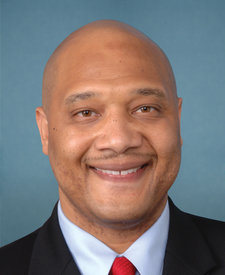



Legislative Progress
In CommitteeMr. Beyer (for himself, Mr. Steube, Ms. Titus, Mr. Fitzpatrick, …
Referred to the Committee on Ways and Means, and in …
Introduced in House
Stakeholder Effects
cui bono?How this legislation distributes effects. Mention counts reflect frequency, not effect magnitude.
CBP enforcement officers, CBP forfeiture staff, Indian tribal enforcement offices
CBP enforcement officers faces effects in multiple directions
Positive-direction: CBP forfeiture staff
Negative-direction: Indian tribal enforcement offices, Interior wildlife inspectors
Bill Structure & Actor Mappings
Who is "The Secretary" in each section?
We use a combination of our own taxonomy and classification in addition to large language models to assess meaning and potential beneficiaries. High confidence means strong textual evidence. Always verify with the original bill text.
Learn more about our methodology