To direct the Secretary of Education to establish a program to facilitate the transition to tuition-free community college in certain States, and for other purposes.
Summary
What This Bill Does
The bill establishes a federal grant program for states to provide tuition-free community college education, requiring states to form interagency committees, ensure credit transfer, expand workforce-aligned pathways, and serve, directs states receiving grants to award subgrants to eligible community colleges for institutional capacity building and wraparound services including housing assistance, childcare, transportation, food support, and creates an emergency aid subgrant program for eligible community college students, providing up to 1500 per year for students without dependents and up to 2500 per year for students with dependents, with subgrants. It relies on grants, tax deductions, reporting requirements, and definition changes. The main policy areas are Education, Finance, and Social Welfare.
Who Benefits and How
Community colleges receiving subgrants could gain revenue opportunities, Community college students without dependents could see lower costs, and Community college students with dependents could see lower costs.
Who Bears the Burden and How
Federal taxpayers could face higher costs, State education agencies receiving grants would take on compliance duties, and Community colleges receiving subgrants would take on compliance duties.
Key Provisions
- Establishes a federal grant program for states to provide tuition-free community college education, requiring states to form interagency committees, ensure credit transfer, expand workforce-aligned pathways, and serve...
- Directs states receiving grants to award subgrants to eligible community colleges for institutional capacity building and wraparound services including housing assistance, childcare, transportation, food support...
- Creates an emergency aid subgrant program for eligible community college students, providing up to 1500 per year for students without dependents and up to 2500 per year for students with dependents, with subgrants...
- Establishes annual reporting requirements for states and institutions receiving grants, including data on graduation rates, persistence, credential attainment, employment outcomes, access to public benefits...
- Defines key terms used throughout the title including community college, eligible state, business industry group, minority-serving institution, high-quality job, and recognized postsecondary credential, establishing...
Evidence Chain:
This summary is generated from the full bill text using AI analysis. Expand "Detailed Analysis" below for identified beneficiaries/burden bearers with clause-level evidence links.
At a Glance
What This Bill Does
The bill establishes a federal grant program for states to provide tuition-free community college education, requiring states to form interagency committees, ensure credit transfer, expand workforce-aligned pathways, and serve, directs states receiving grants to award subgrants to eligible community colleges for institutional capacity building and wraparound services including housing assistance, childcare, transportation, food support, and creates an emergency aid subgrant program for eligible community college students, providing up to 1500 per year for students without dependents and up to 2500 per year for students with dependents, with subgrants.
Key Policy Areas
Education, Finance, Social Welfare
Primary Purpose
The bill establishes a federal grant program for states to provide tuition-free community college education, requiring states to form interagency committees, ensure credit transfer, expand workforce-aligned pathways, and serve, directs states receiving grants to award subgrants to eligible community colleges for institutional capacity building and wraparound services including housing assistance, childcare, transportation, food support, and creates an emergency aid subgrant program for eligible community college students, providing up to 1500 per year for students without dependents and up to 2500 per year for students with dependents, with subgrants.
Policy Domains
Title I - Tuition-Free Community College
Identified Gains
- Community colleges receiving subgrants
- Community college students without dependents
- Community college students with dependents
- Community college students (especially low-income and first-generation)
- Students needing wraparound services (housing, childcare, food)
Identified Costs
- Federal taxpayers
- State education agencies receiving grants
- Community colleges receiving subgrants
- Federal Treasury (tax revenue)
Sponsors
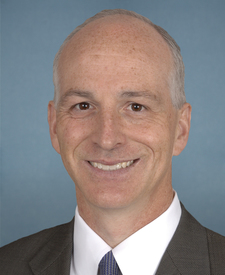
Legislative Progress
IntroducedMr. Smith of Washington introduced the following bill; which was …
Stakeholder Effects
cui bono?How this legislation distributes effects. Mention counts reflect frequency, not effect magnitude.
Community college students (especially low-income and first-generation), Community college students with dependents, Community college students without dependents
Community colleges receiving subgrants faces effects in multiple directions
Federal Treasury (tax revenue), State education agencies receiving grants, State higher education agencies
Positive-direction: State higher education agencies, Workforce development agencies
Negative-direction: Federal Treasury (tax revenue), State education agencies receiving grants, Taxpayers
Bill Structure & Actor Mappings
Who is "The Secretary" in each section?
- "the_secretary"
- → Secretary of Education
Key Definitions
Terms defined in this bill
We use a combination of our own taxonomy and classification in addition to large language models to assess meaning and potential beneficiaries. High confidence means strong textual evidence. Always verify with the original bill text.
Learn more about our methodology