To establish a grant program to fund career and technical education programs, and for other purposes.
Summary
What This Bill Does
The bill creates congressional findings on workforce demand in manufacturing, healthcare, construction, and IT, creates competitive 5-year federal grant program for state educational agencies to establish, expand, or improve CTE programs including CTE high schools, regional career centers, dual enrollment, apprenticeships, and creates CTE Pell Grants for public secondary school students to cover tuition and costs for CTE programs, credentialing programs, apprenticeships, pre-apprenticeships, dual-enrollment with community colleges, occupation. It relies on authorization, grants, compliance mandates, and reporting requirements. The main policy areas are Education, Housing, and Labor.
Who Benefits and How
State educational agencies could gain revenue opportunities, Public secondary school students with financial need would be affected, and Public secondary school students would be affected.
Who Bears the Burden and How
Federal government budget could face higher costs and State educational agencies (compliance burden) would take on compliance duties.
Key Provisions
- Creates congressional findings on workforce demand in manufacturing, healthcare, construction, and IT.
- Creates competitive 5-year federal grant program for state educational agencies to establish, expand, or improve CTE programs including CTE high schools, regional career centers, dual enrollment, apprenticeships...
- Creates CTE Pell Grants for public secondary school students to cover tuition and costs for CTE programs, credentialing programs, apprenticeships, pre-apprenticeships, dual-enrollment with community colleges, occupation...
- Defines key terms for the Act including career-aligned coursework, CTE, CTE high school, local/state educational agencies, institutions of higher education, junior/community colleges, multi-craft construction...
Evidence Chain:
This summary is generated from the full bill text using AI analysis. Expand "Detailed Analysis" below for identified beneficiaries/burden bearers with clause-level evidence links.
At a Glance
What This Bill Does
The bill creates congressional findings on workforce demand in manufacturing, healthcare, construction, and IT, creates competitive 5-year federal grant program for state educational agencies to establish, expand, or improve CTE programs including CTE high schools, regional career centers, dual enrollment, apprenticeships, and creates CTE Pell Grants for public secondary school students to cover tuition and costs for CTE programs, credentialing programs, apprenticeships, pre-apprenticeships, dual-enrollment with community colleges, occupation.
Key Policy Areas
Education, Housing, Labor
Primary Purpose
The bill creates congressional findings on workforce demand in manufacturing, healthcare, construction, and IT, creates competitive 5-year federal grant program for state educational agencies to establish, expand, or improve CTE programs including CTE high schools, regional career centers, dual enrollment, apprenticeships, and creates CTE Pell Grants for public secondary school students to cover tuition and costs for CTE programs, credentialing programs, apprenticeships, pre-apprenticeships, dual-enrollment with community colleges, occupation.
Policy Domains
Whole bill
Identified Gains
- State educational agencies
- Public secondary school students with financial need
- Public secondary school students
- CTE program providers
- CTE high schools and regional career centers
Identified Costs
- Federal government budget
- State educational agencies (compliance burden)
Sponsors
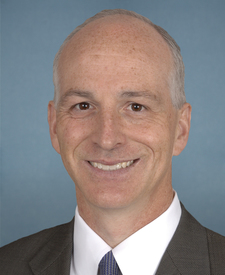
Legislative Progress
IntroducedMr. Smith of Washington introduced the following bill; which was …
Stakeholder Effects
cui bono?How this legislation distributes effects. Mention counts reflect frequency, not effect magnitude.
CTE high schools, CTE high schools and regional career centers, CTE program providers
State educational agencies, State educational agencies (compliance burden)
Positive-direction: State educational agencies
Negative-direction: State educational agencies (compliance burden)
Multi-craft construction instruction programs, Trade unions and construction industry
Employers in manufacturing, healthcare, construction, and IT, Local employers in high-demand sectors
Bill Structure & Actor Mappings
Who is "The Secretary" in each section?
We use a combination of our own taxonomy and classification in addition to large language models to assess meaning and potential beneficiaries. High confidence means strong textual evidence. Always verify with the original bill text.
Learn more about our methodology