BRAVE Act
Summary
What This Bill Does
The BRAVE Act creates a targeted VA outreach system for veterans after trauma. It adds section 1720K to title 38 and requires the Secretary of Veterans Affairs to establish, within two years, a patient outreach system for veterans enrolled in VA annual patient enrollment who have experienced a traumatic or other highly stressful event. Those veterans may elect to receive information about mental health and available VA mental-health care services. In administering the system, VA must seek to coordinate it with the Department of Defense Transition Assistance Program, so separating servicemembers can be connected with VA mental-health resources during the transition from military service.
Who Benefits and How
VA-enrolled veterans after traumatic events benefit because they can opt into direct information about VA mental-health resources. Separating servicemembers benefit because VA must coordinate outreach with the Defense Transition Assistance Program. Veteran mental-health clinicians benefit from a more systematic referral channel for high-stress veterans who may need care. Military family support organizations benefit from clearer VA outreach infrastructure after traumatic events.
Who Bears the Burden and How
Department of Veterans Affairs mental health staff must design and operate the new outreach system within two years. Transition Assistance Program counselors must coordinate with VA on mental-health resource information. VA enrollment administrators must identify enrolled veterans who are eligible to elect outreach after stressful events. Federal taxpayers bear the administrative cost of building and maintaining the outreach system.
Key Provisions
- Creates a VA patient outreach system for enrolled veterans after traumatic or highly stressful events.
- Provides opt-in information about mental health and VA mental-health care services.
- Requires VA to coordinate the outreach system with the Defense Transition Assistance Program.
- Requires VA to establish the system within two years after enactment.
Evidence Chain:
This summary is generated from the full bill text using AI analysis. Expand "Detailed Analysis" below for identified beneficiaries/burden bearers with clause-level evidence links.
At a Glance
What This Bill Does
Requires the Department of Veterans Affairs to create a mental-health patient outreach system for enrolled veterans who experience traumatic or highly stressful events and lets those veterans opt to receive information about VA mental-health resources.
Key Policy Areas
Veterans, Mental Health, Defense Transition
Primary Purpose
Requires the Department of Veterans Affairs to create a mental-health patient outreach system for enrolled veterans who experience traumatic or highly stressful events and lets those veterans opt to receive information about VA mental-health resources.
Policy Domains
Resolution provisions
Identified Gains
- VA-enrolled veterans after traumatic events
- Separating servicemembers
- Veteran mental-health clinicians
- Military family support organizations
Identified Costs
- Department of Veterans Affairs mental health staff
- Transition Assistance Program counselors
- VA enrollment administrators
- Federal taxpayers
Sponsors




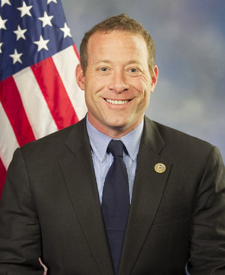
Legislative Progress
In CommitteeReferred to the Subcommittee on Health.
Mr. Wittman (for himself and Mr. Case) introduced the following …
Referred to the House Committee on Veterans' Affairs.
Introduced in House
Stakeholder Effects
cui bono?How this legislation distributes effects. Mention counts reflect frequency, not effect magnitude.
Department of Veterans Affairs mental health staff, VA enrollment administrators
Bill Structure & Actor Mappings
Who is "The Secretary" in each section?
We use a combination of our own taxonomy and classification in addition to large language models to assess meaning and potential beneficiaries. High confidence means strong textual evidence. Always verify with the original bill text.
Learn more about our methodology