America’s CHILDREN Act of 2025
Summary
What This Bill Does
America's CHILDREN Act of 2025 creates immigration protections for children who grew up in the United States as dependents of employment-based nonimmigrants. Section 2 adds an immediate-relative route to permanent residence for a person who is not inadmissible or deportable, was lawfully present for at least eight aggregate years as the dependent child of an employment nonimmigrant, has been lawfully present for at least ten aggregate years, is lawfully present when applying, and graduated from a U.S. institution of higher education. Section 3 adds age-out protections for petitions and applications by measuring child status at the petition or labor-certification filing date, with special rules for long-term dependents who had eight years of qualifying dependent presence before age 21. It allows certain denied cases to be reopened within two years, permits qualifying long-term dependents to extend or change dependent status despite marital status, grants employment authorization incident to status, and preserves the earliest approved petition or labor-certification priority date for principal and derivative beneficiaries in later approved cases.
Who Benefits and How
Documented Dreamers benefit because long-term dependent children of employment nonimmigrants gain a direct permanent-residence path after U.S. college graduation. Employment-based immigrant families benefit because children retain age-out protections and earlier priority dates. U.S. college graduates from visa families benefit because their education and long lawful presence become eligibility anchors. Employers sponsoring immigrant workers benefit from less family disruption when dependent children age out during visa backlogs.
Who Bears the Burden and How
USCIS adjudicators must review new petitions, reopened cases, age calculations, priority-date retention claims, and employment authorization incident to status. State Department consular officers must apply the revised age-out and derivative-beneficiary rules in immigrant visa processing. Applicants who lack the required years of lawful dependent presence or U.S. higher-education graduation do not qualify for the new immediate-relative route. Employment-based visa queues may face additional derivative and reopened-case processing under the new protections.
Key Provisions
- Creates permanent-resident eligibility for certain college graduates who entered as dependent children of employment nonimmigrants.
- Requires at least eight years of dependent presence, ten years of lawful presence, lawful status at filing, and U.S. higher-education graduation.
- Extends child-status age calculations and reopening rights for long-term dependent children.
- Provides employment authorization incident to status and permits status extensions despite marital status for qualifying dependents.
- Protects earliest priority dates for principal and derivative beneficiaries in later approved petitions.
Evidence Chain:
This summary is generated from the full bill text using AI analysis. Expand "Detailed Analysis" below for identified beneficiaries/burden bearers with clause-level evidence links.
At a Glance
What This Bill Does
Creates permanent-resident eligibility for long-term dependent children of employment-based nonimmigrants who have at least eight years of dependent presence, ten years of lawful presence, and U.S. higher-education graduation, while adding age-out protections, reopening rights, employment authorization, and priority-date retention for documented dreamer families.
Key Policy Areas
Immigration, Higher Education, Workforce
Primary Purpose
Creates permanent-resident eligibility for long-term dependent children of employment-based nonimmigrants who have at least eight years of dependent presence, ten years of lawful presence, and U.S. higher-education graduation, while adding age-out protections, reopening rights, employment authorization, and priority-date retention for documented dreamer families.
Policy Domains
Resolution provisions
Identified Gains
- Documented Dreamers
- Employment-based immigrant families
- U.S. college graduates from visa families
- Employers sponsoring immigrant workers
Identified Costs
- USCIS adjudicators
- State Department consular officers
- Ineligible visa dependents
- Employment-based visa queue applicants
Sponsors
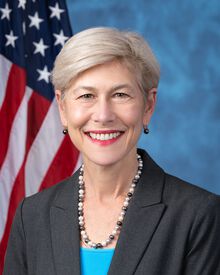
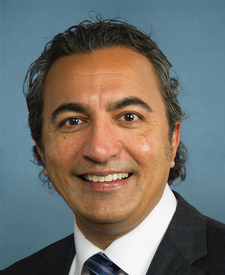
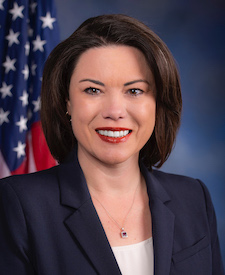

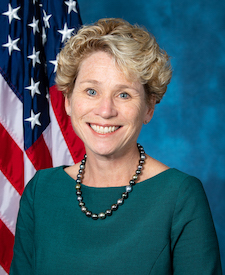
Legislative Progress
In CommitteeMs. Ross (for herself, Mrs. Miller-Meeks, Mr. Krishnamoorthi, Ms. Salazar, …
Referred to the House Committee on the Judiciary.
Introduced in House
Stakeholder Effects
cui bono?How this legislation distributes effects. Mention counts reflect frequency, not effect magnitude.
Documented Dreamers, Employment-based immigrant families, Ineligible visa dependents
Positive-direction: Documented Dreamers, Employment-based immigrant families
Negative-direction: Ineligible visa dependents
State Department consular officers, USCIS adjudicators
Bill Structure & Actor Mappings
Who is "The Secretary" in each section?
We use a combination of our own taxonomy and classification in addition to large language models to assess meaning and potential beneficiaries. High confidence means strong textual evidence. Always verify with the original bill text.
Learn more about our methodology