POJA Act of 2025
Summary
What This Bill Does
The POJA Act of 2025 is a study and reporting bill focused on older job applicants. Within one year, the Equal Employment Opportunity Commission must study the number of claims pending or filed with the Commission since 2015 under the Age Discrimination in Employment Act, including closed cases, by job applicants who may have been adversely impacted by age discrimination in the job application process. The EEOC Chair must submit the results to the House Committee on Education and Labor and the Senate HELP Committee and make the report public. The report must include recommendations for best practices to prevent, combat, and address age discrimination in hiring.
Who Benefits and How
Older job applicants benefit because the EEOC must quantify and study hiring-related age discrimination claims. Age discrimination plaintiffs benefit from public information about claim patterns and best practices. Employment attorneys benefit from a public EEOC report covering ADEA applicant claims since 2015. Congressional labor committees benefit from data and recommendations for potential age-discrimination legislation.
Who Bears the Burden and How
EEOC research staff must review pending, filed, and closed ADEA job-applicant claims dating back to 2015. EEOC Chair staff must prepare and publicly release the report within one year. Employers using age-sensitive hiring practices may face scrutiny from best-practice recommendations. Federal taxpayers fund the agency study and reporting work.
Key Provisions
- Requires an EEOC study of ADEA job-applicant claims since 2015.
- Includes pending, filed, and closed claims involving alleged hiring age discrimination.
- Requires a public report to House and Senate labor committees within one year.
- Requires best-practice recommendations to prevent and address age discrimination in hiring.
Evidence Chain:
This summary is generated from the full bill text using AI analysis. Expand "Detailed Analysis" below for identified beneficiaries/burden bearers with clause-level evidence links.
At a Glance
What This Bill Does
Requires the Equal Employment Opportunity Commission within one year to study Age Discrimination in Employment Act claims pending or filed since 2015 by job applicants who may have been harmed by age discrimination in hiring, then report publicly and to House and Senate labor committees with best-practice recommendations.
Key Policy Areas
Labor, Age Discrimination, EEOC
Primary Purpose
Requires the Equal Employment Opportunity Commission within one year to study Age Discrimination in Employment Act claims pending or filed since 2015 by job applicants who may have been harmed by age discrimination in hiring, then report publicly and to House and Senate labor committees with best-practice recommendations.
Policy Domains
Resolution provisions
Identified Gains
- Older job applicants
- Age discrimination plaintiffs
- Employment attorneys
- Congressional labor committees
Identified Costs
- EEOC research staff
- EEOC Chair staff
- Employers using age-sensitive hiring practices
- Federal taxpayers
Sponsors
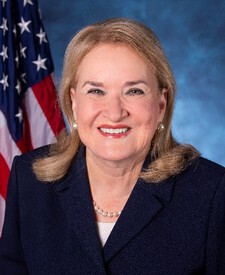
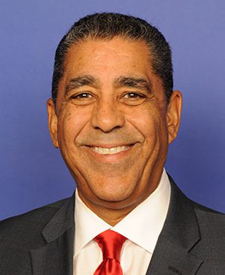
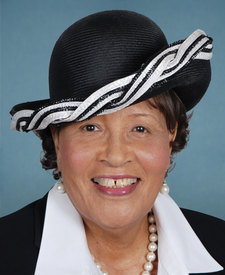


Legislative Progress
In CommitteeMs. Garcia of Texas (for herself, Ms. Salazar, Mr. Scott …
Referred to the House Committee on Education and Workforce.
Introduced in House
Stakeholder Effects
cui bono?How this legislation distributes effects. Mention counts reflect frequency, not effect magnitude.
Employers using age-sensitive hiring practices, Older job applicants
Positive-direction: Older job applicants
Negative-direction: Employers using age-sensitive hiring practices
Age discrimination plaintiffs, Employment attorneys
Bill Structure & Actor Mappings
Who is "The Secretary" in each section?
We use a combination of our own taxonomy and classification in addition to large language models to assess meaning and potential beneficiaries. High confidence means strong textual evidence. Always verify with the original bill text.
Learn more about our methodology