To amend the Federal Water Pollution Control Act to make certain technology investments eligible for additional subsidization, and for other purposes.
Summary
What This Bill Does
This bill amends the Federal Water Pollution Control Act's Clean Water State Revolving Fund additional-subsidization provision. It broadens eligible uses to include a process, material, technique, or technology, including software for asset management, software for operational analysis, and advanced digital construction management systems. The eligible purposes are water-efficiency goals, energy-efficiency goals, stormwater runoff mitigation, and projects that are cost-effective and sustainably planned, designed, and constructed. The practical effect is to let state revolving fund programs offer additional subsidy support for technology and digital tools, not only conventional construction, when those tools make clean-water infrastructure more efficient or sustainable.
Who Benefits and How
Municipal wastewater utilities benefit because additional subsidization can support asset-management and operational-analysis software. Stormwater agencies benefit because technologies that mitigate runoff can qualify for subsidized Clean Water Act financing. Water infrastructure technology vendors benefit because digital construction management and efficiency tools become more financeable. Ratepayers in clean-water service areas benefit if technology investments lower lifecycle costs or improve project delivery.
Who Bears the Burden and How
State revolving fund administrators must evaluate new technology, software, and sustainability uses for additional subsidy eligibility. EPA clean water program staff must guide states on the broadened eligible uses. Municipal project sponsors must document water-efficiency, energy-efficiency, stormwater, or sustainable-project benefits. Competing conventional construction projects may face more competition for subsidized assistance.
Key Provisions
- Expands additional subsidization eligibility under the Federal Water Pollution Control Act.
- Adds processes, materials, techniques, and technologies including asset-management software.
- Adds operational-analysis software and advanced digital construction management systems.
- Supports water-efficiency, energy-efficiency, stormwater-runoff, and sustainable project goals.
Evidence Chain:
This summary is generated from the full bill text using AI analysis. Expand "Detailed Analysis" below for identified beneficiaries/burden bearers.
At a Glance
What This Bill Does
Expands Federal Water Pollution Control Act additional subsidization eligibility so Clean Water State Revolving Fund assistance can support processes, materials, techniques, or technologies, including asset-management software, operational-analysis software, and advanced digital construction management systems, that improve water efficiency, energy efficiency, stormwater mitigation, or cost-effective sustainable project delivery.
Key Policy Areas
Water Infrastructure, Clean Water, Technology
Primary Purpose
Expands Federal Water Pollution Control Act additional subsidization eligibility so Clean Water State Revolving Fund assistance can support processes, materials, techniques, or technologies, including asset-management software, operational-analysis software, and advanced digital construction management systems, that improve water efficiency, energy efficiency, stormwater mitigation, or cost-effective sustainable project delivery.
Policy Domains
Resolution provisions
Identified Gains
Contextual inference, no direct clause citation- Municipal wastewater utilities
- Stormwater agencies
- Water infrastructure technology vendors
- Ratepayers in clean-water service areas
Contextual inference, no direct clause citation
Identified Costs
Contextual inference, no direct clause citation- State revolving fund administrators
- EPA clean water program staff
- Municipal project sponsors
- Competing conventional construction projects
Contextual inference, no direct clause citation
Sponsors


Legislative Progress
In CommitteeReferred to the Subcommittee on Water Resources and Environment.
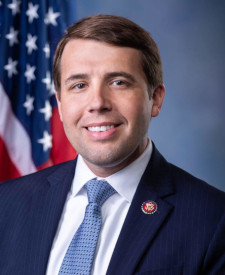
Mr. Fong (for himself and Mr. Pappas) introduced the following …
Referred to the House Committee on Transportation and Infrastructure.
Introduced in House
Bill Structure & Actor Mappings
Who is "The Secretary" in each section?
We use a combination of our own taxonomy and classification in addition to large language models to assess meaning and potential beneficiaries. High confidence means strong textual evidence. Always verify with the original bill text.
Learn more about our methodology