Algorithmic Accountability Act of 2025
Summary
What This Bill Does
The Algorithmic Accountability Act of 2025 creates an FTC-centered oversight framework for automated decision systems. It defines covered algorithms as machine learning, natural language processing, artificial intelligence, or similarly complex computational processes that create, recommend, rank, decide, or facilitate human decisions for consequential actions. Covered entities generally include FTC-jurisdiction businesses deploying such algorithms that exceed size or data thresholds. Within two years, the FTC, in consultation with NIST, the National AI Initiative, OSTP, standards bodies, industry, academia, civil rights advocates, consumer advocates, and impacted communities, must issue rules requiring covered entities to perform impact assessments before and after deployment, maintain documentation for three years beyond deployment, disclose covered-entity status, and submit summary reports for certain algorithms. Assessments must evaluate baseline processes, harms, intended benefits, stakeholder consultation, testing, performance, bias, privacy, security, data quality, and alternatives. The FTC must publish annual machine-readable aggregate reports, create a limited public repository after regulations, issue guidance and templates, support meaningful consultation, and regularly update training materials. The bill establishes a Bureau of Technology inside the FTC headed by a Chief Technologist and enforces violations as unfair or deceptive acts or practices under the FTC Act, with coordination with federal agencies and state regulators.
Who Benefits and How
Consumers subject to algorithmic decisions benefit because companies must assess harms, bias, privacy, security, and alternatives before and after deployment. Civil rights advocates benefit from mandatory stakeholder consultation and reports about consequential decision algorithms. Researchers studying automated decisions benefit from public FTC aggregate reports and a limited public repository. FTC enforcement staff benefit from a Bureau of Technology and Chief Technologist to support algorithmic investigations.
Who Bears the Burden and How
Covered technology companies must perform impact assessments, keep documentation, submit reports, and follow FTC regulations. Algorithm vendors providing substantial assistance face liability when they knowingly help covered entities violate the rules. FTC Bureau of Technology staff must write guidance, manage reports and repositories, and support enforcement. NIST, OSTP, and other federal agency staff must coordinate on standards and regulatory treatment.
Key Provisions
- Defines covered algorithms and consequential actions for FTC oversight.
- Requires FTC rules within two years for pre-deployment and post-deployment impact assessments.
- Requires documentation, summary reports, stakeholder consultation, testing, and evaluation of harms.
- Creates annual public reporting, a limited public repository, guidance, templates, and technical assistance.
- Establishes an FTC Bureau of Technology and enforces violations as unfair or deceptive acts or practices.
Evidence Chain:
This summary is generated from the full bill text using AI analysis. Expand "Detailed Analysis" below for identified beneficiaries/burden bearers with clause-level evidence links.
At a Glance
What This Bill Does
Requires FTC rulemaking for impact assessments of covered algorithms used in consequential decisions, mandates documentation and summary reports, creates public aggregate reporting and a limited public repository, directs guidance and technical assistance, establishes an FTC Bureau of Technology headed by a Chief Technologist, and enforces violations as unfair or deceptive acts or practices.
Key Policy Areas
Artificial Intelligence, Consumer Protection, Civil Rights
Primary Purpose
Requires FTC rulemaking for impact assessments of covered algorithms used in consequential decisions, mandates documentation and summary reports, creates public aggregate reporting and a limited public repository, directs guidance and technical assistance, establishes an FTC Bureau of Technology headed by a Chief Technologist, and enforces violations as unfair or deceptive acts or practices.
Policy Domains
Resolution provisions
Identified Gains
- Consumers subject to algorithmic decisions
- Civil rights advocates
- Researchers studying automated decisions
- FTC enforcement staff
Identified Costs
- Covered technology companies
- Algorithm vendors
- FTC Bureau of Technology staff
- NIST standards staff
Sponsors
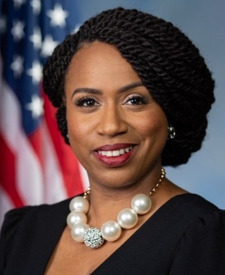
Legislative Progress
In CommitteeMs. Clarke of New York (for herself, Ms. Balint, Ms. …
Referred to the House Committee on Energy and Commerce.
Introduced in House
Stakeholder Effects
cui bono?How this legislation distributes effects. Mention counts reflect frequency, not effect magnitude.
Algorithm vendors, Covered technology companies
FTC Bureau of Technology staff, FTC enforcement staff, FTC technology guidance staff
FTC enforcement staff faces effects in multiple directions
Positive-direction: FTC Bureau of Technology staff
Negative-direction: FTC technology guidance staff
Bill Structure & Actor Mappings
Who is "The Secretary" in each section?
We use a combination of our own taxonomy and classification in addition to large language models to assess meaning and potential beneficiaries. High confidence means strong textual evidence. Always verify with the original bill text.
Learn more about our methodology