Safe Step Act
Summary
What This Bill Does
The bill amends ERISA by inserting new Section 713A requiring group health plans and insurers to establish step therapy exception processes with defined criteria, timelines, annual reporting requirements, and implementing and requires new ERISA Section 713A establishing step therapy exception process: six defined exception circumstances, 72-hour standard and 24-hour expedited determination timelines, minimum 1-year coverage duration. It relies on compliance mandates, reporting requirements, and exemptions. The main policy areas are Healthcare, Health Insurance Regulation, Finance, and Social Welfare.
Who Benefits and How
Prescribing healthcare providers could face fewer barriers, Brand-name and specialty pharmaceutical manufacturers could gain revenue opportunities, and Patients on step therapy protocols could face fewer barriers.
Who Bears the Burden and How
Group health plans and health insurance issuers would take on compliance duties, Pharmacy benefit managers (PBMs) would take on compliance duties, and Generic and preferred-drug pharmaceutical manufacturers could lose revenue opportunities.
Key Provisions
- Amends ERISA by inserting new Section 713A requiring group health plans and insurers to establish step therapy exception processes with defined criteria, timelines, annual reporting requirements, and implementing...
- Requires new ERISA Section 713A establishing step therapy exception process: six defined exception circumstances, 72-hour standard and 24-hour expedited determination timelines, minimum 1-year coverage duration...
Evidence Chain:
This summary is generated from the full bill text using AI analysis. Expand "Detailed Analysis" below for identified beneficiaries/burden bearers with clause-level evidence links.
At a Glance
What This Bill Does
The bill amends ERISA by inserting new Section 713A requiring group health plans and insurers to establish step therapy exception processes with defined criteria, timelines, annual reporting requirements, and implementing and requires new ERISA Section 713A establishing step therapy exception process: six defined exception circumstances, 72-hour standard and 24-hour expedited determination timelines, minimum 1-year coverage duration.
Key Policy Areas
Healthcare, Health Insurance Regulation, Finance, Social Welfare
Primary Purpose
The bill amends ERISA by inserting new Section 713A requiring group health plans and insurers to establish step therapy exception processes with defined criteria, timelines, annual reporting requirements, and implementing and requires new ERISA Section 713A establishing step therapy exception process: six defined exception circumstances, 72-hour standard and 24-hour expedited determination timelines, minimum 1-year coverage duration.
Policy Domains
Whole bill
Identified Gains
- Prescribing healthcare providers
- Brand-name and specialty pharmaceutical manufacturers
- Patients on step therapy protocols
- Patients enrolled in employer-sponsored group health plans
- Pharmacy benefit managers (PBMs) - transparency restrictions
Identified Costs
- Group health plans and health insurance issuers
- Pharmacy benefit managers (PBMs)
- Generic and preferred-drug pharmaceutical manufacturers
- Department of Labor
Sponsors



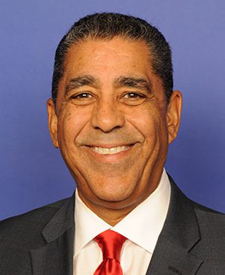

Legislative Progress
In CommitteeMr. Allen (for himself, Mrs. McBath, Mrs. Miller-Meeks, Mr. Ruiz, …
Referred to the House Committee on Education and Workforce.
Introduced in House
Stakeholder Effects
cui bono?How this legislation distributes effects. Mention counts reflect frequency, not effect magnitude.
Brand-name and specialty pharmaceutical manufacturers, Generic and preferred-drug pharmaceutical manufacturers
Positive-direction: Brand-name and specialty pharmaceutical manufacturers
Negative-direction: Generic and preferred-drug pharmaceutical manufacturers
Pharmacy benefit managers (PBMs), Pharmacy benefit managers (PBMs) - transparency restrictions
Group health plans and health insurance issuers
Patients enrolled in employer-sponsored group health plans, Patients on step therapy protocols
Bill Structure & Actor Mappings
Who is "The Secretary" in each section?
We use a combination of our own taxonomy and classification in addition to large language models to assess meaning and potential beneficiaries. High confidence means strong textual evidence. Always verify with the original bill text.
Learn more about our methodology