Courtney Wild Reinforcing Crime Victims’ Rights Act
Summary
What This Bill Does
The Courtney Wild Reinforcing Crime Victims' Rights Act broadens when federal crime-victim rights attach and what information victims receive. It amends 18 U.S.C. 3771 so, upon the suspected or alleged commission of a federal or D.C. offense, a crime victim has statutory rights. It expands the right to confer with the government to include agreements that could resolve a case or investigation, plea bargains, plea offers or agreements, pretrial diversion offers or agreements, and voluntary dismissals before those are presented to a court or formally executed. It rewrites the right to timely information about plea bargains, deferred prosecution agreements, other agreements resolving a case or investigation, pretrial diversion agreements, and referrals to federal, state, tribal, or local law enforcement. It requires rights cards listing crime victims' rights, the Office of the Crime Victims' Rights Ombudsman, and sources of legal assistance including pro bono help. Courts must confirm that the government complied with victim-rights obligations, and DOJ must report complaint data, outcomes, disciplinary actions, districts, prosecutors, and referrals to state bars.
Who Benefits and How
Federal crime victims benefit because rights attach at the suspected or alleged offense stage rather than only after formal charging. Victims considering legal advice benefit from rights cards listing legal assistance and pro bono resources. Crime victim advocates benefit because plea, diversion, deferred prosecution, and dismissal decisions become more transparent to victims. Congressional judiciary committees benefit from more detailed DOJ reports on complaints and disciplinary follow-through.
Who Bears the Burden and How
Federal prosecutors must confer with victims and provide timely information before key case-resolution agreements are executed. DOJ victim-rights offices must update rights cards, complaint systems, and reporting practices. Federal courts must confirm government compliance with crime-victim rights obligations. State bar associations may receive more referrals of victim-rights misconduct complaints involving federal prosecutors.
Key Provisions
- Extends crime-victim rights to the suspected or alleged commission of federal or D.C. offenses.
- Requires victim conferral before plea, diversion, deferred prosecution, dismissal, or other resolution agreements.
- Requires timely notice of case-resolution agreements and law-enforcement referrals.
- Requires rights cards with ombudsman and legal-assistance information.
- Requires courts and DOJ reports to track compliance, complaints, discipline, and bar referrals.
Evidence Chain:
This summary is generated from the full bill text using AI analysis. Expand "Detailed Analysis" below for identified beneficiaries/burden bearers with clause-level evidence links.
At a Glance
What This Bill Does
Strengthens Crime Victims' Rights Act protections from the suspected or alleged commission of a federal or D.C. offense, expands victims' rights to confer and be informed about plea bargains, deferred prosecution agreements, pretrial diversion, voluntary dismissals, and referrals, requires courts to confirm government compliance, requires rights cards with legal-assistance information, and expands DOJ complaint reporting.
Key Policy Areas
Crime Victims, Criminal Justice, DOJ Oversight
Primary Purpose
Strengthens Crime Victims' Rights Act protections from the suspected or alleged commission of a federal or D.C. offense, expands victims' rights to confer and be informed about plea bargains, deferred prosecution agreements, pretrial diversion, voluntary dismissals, and referrals, requires courts to confirm government compliance, requires rights cards with legal-assistance information, and expands DOJ complaint reporting.
Policy Domains
Resolution provisions
Identified Gains
- Federal crime victims
- Victims considering legal advice
- Crime victim advocates
- Congressional judiciary committees
Identified Costs
- Federal prosecutors
- DOJ victim-rights offices
- Federal courts
- State bar associations
Sponsors
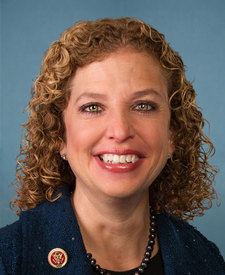
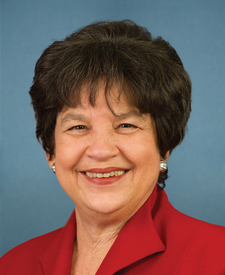
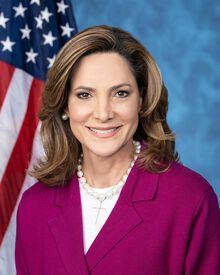
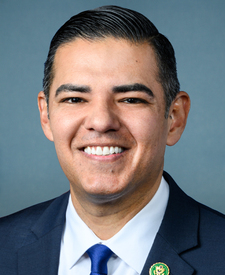
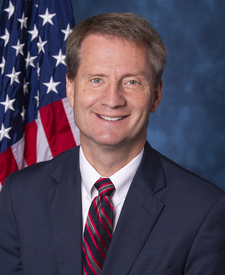
Legislative Progress
In CommitteeMs. Wasserman Schultz (for herself and Mr. Burchett) introduced the …
Referred to the House Committee on the Judiciary.
Introduced in House
Stakeholder Effects
cui bono?How this legislation distributes effects. Mention counts reflect frequency, not effect magnitude.
Federal prosecutors, Victims considering legal advice
Positive-direction: Victims considering legal advice
Negative-direction: Federal prosecutors
Bill Structure & Actor Mappings
Who is "The Secretary" in each section?
We use a combination of our own taxonomy and classification in addition to large language models to assess meaning and potential beneficiaries. High confidence means strong textual evidence. Always verify with the original bill text.
Learn more about our methodology