Fed Integrity and Independence Act of 2025
Summary
What This Bill Does
The Fed Integrity and Independence Act of 2025 is a findings and sense-of-Congress bill rather than a binding appointment rule. It says Federal Reserve independence from presidential political interference is fundamental to effective central banking. It notes that Congress structured the Board of Governors with staggered 14-year terms and a four-year Chair term to help monetary policy focus on long-run goals instead of short-term political pressure. The operative policy statement is that it is not appropriate for any employee appointed by the President, whether on leave or not, to serve as a Federal Reserve Board member. The bill therefore creates a congressional marker for Fed independence and conflict concerns, but it does not itself remove anyone or create a new enforcement process.
Who Benefits and How
Federal Reserve Board independence advocates benefit because Congress would formally criticize presidential appointees serving on the Board. Monetary policy analysts benefit from a clear statement tying staggered Fed terms to insulation from presidential pressure. Members of Congress overseeing the Federal Reserve benefit from a public ethics position without creating a new litigation scheme. Financial market observers benefit from a signal that Congress views central-bank independence as a governance priority.
Who Bears the Burden and How
Presidentially appointed executive branch employees must account for congressional pressure against serving on the Federal Reserve Board. White House personnel offices must account for congressional objections when considering Fed nominees or detailees. Federal Reserve ethics staff must prepare for additional scrutiny around leave status and executive-branch appointments. The bill creates political rather than legally enforceable constraints because it is framed as findings and sense of Congress.
Key Provisions
- Provides findings on Federal Reserve independence from presidential political interference.
- Explains staggered 14-year Board terms and four-year Chair terms as independence safeguards.
- States that presidentially appointed employees should not serve on the Board of Governors.
- Uses a sense-of-Congress statement rather than a binding removal or enforcement mechanism.
Evidence Chain:
This summary is generated from the full bill text using AI analysis. Expand "Detailed Analysis" below for identified beneficiaries/burden bearers with clause-level evidence links.
At a Glance
What This Bill Does
States congressional findings that Federal Reserve independence from presidential political pressure is fundamental to central-bank operations and expresses the sense of Congress that no employee appointed by the President, whether on leave or not, should serve as a member of the Federal Reserve Board of Governors.
Key Policy Areas
Monetary Policy, Federal Reserve, Government Ethics
Primary Purpose
States congressional findings that Federal Reserve independence from presidential political pressure is fundamental to central-bank operations and expresses the sense of Congress that no employee appointed by the President, whether on leave or not, should serve as a member of the Federal Reserve Board of Governors.
Policy Domains
Resolution provisions
Identified Gains
- Federal Reserve Board independence advocates
- Monetary policy analysts
- Members of Congress overseeing the Federal Reserve
- Financial market observers
Identified Costs
- Presidentially appointed executive branch employees
- White House personnel offices
- Federal Reserve ethics staff
- Political enforcement advocates
Sponsors
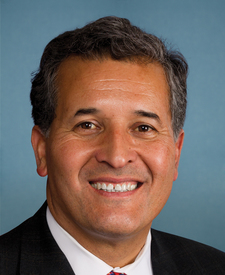


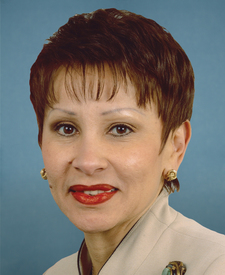

Legislative Progress
In CommitteeMr. Vargas introduced the following bill; which was referred to …
Referred to the House Committee on Financial Services.
Introduced in House
Stakeholder Effects
cui bono?How this legislation distributes effects. Mention counts reflect frequency, not effect magnitude.
Federal Reserve ethics staff, White House personnel offices
Presidentially appointed executive branch employees
Bill Structure & Actor Mappings
Who is "The Secretary" in each section?
We use a combination of our own taxonomy and classification in addition to large language models to assess meaning and potential beneficiaries. High confidence means strong textual evidence. Always verify with the original bill text.
Learn more about our methodology