Apostle Islands National Park and Preserve Act
Summary
What This Bill Does
This bill redesignates Apostle Islands National Lakeshore in Wisconsin as Apostle Islands National Park and Preserve. It creates National Park and National Preserve zones within the same National Park Service unit and says the unit will be administered under title 54 and the original Apostle Islands law. The bill also clarifies that the redesignation does not create a protective buffer zone around Ashland Harbor Breakwater Light.
The bill preserves several uses and rights. Hunting and trapping are generally prohibited in the park area, but treaty, statutory, or executive-order rights of Indian tribes remain protected. Hunting and trapping may continue in the preserve area under the same terms that applied before redesignation, and private landowners inside the boundaries do not lose state-law hunting or fishing rights on their own land. Fishing continues under existing law. The bill also requires principal visitor centers to include interpretive signage on Ojibwe tribes, early European settlers, the fur trade, logging, stone quarries, lighthouses, commercial fishing, and a copy of the Act.
Who Benefits and How
The National Park Service benefits from clearer unit status and authority to manage the area as a single national park and preserve. Bayfield-region tourism businesses benefit from the stronger national park brand, which can increase visitor attention and travel demand. Ojibwe tribes benefit because treaty, statutory, and executive-order rights are expressly preserved and tribal history must appear in visitor-center interpretation. Anglers benefit because fishing access continues under existing law. Hunters and trappers benefit from continued preserve-area access and private land protections where state law allows those activities.
Who Bears the Burden and How
National Park Service managers must update maps, signage, references, visitor-center materials, and administrative practices for the new park and preserve designation. Hunters and trappers face a restriction in the national park area because hunting and trapping are prohibited there except for protected tribal rights. Visitor-center staff must install and maintain historical interpretation covering Ojibwe tribes, settlers, fur trade, logging, quarries, lighthouses, and commercial fishing. Federal map and legal-reference offices must update references from the old National Lakeshore name to the new Park and Preserve name.
Key Provisions
- Redesignates Apostle Islands National Lakeshore as Apostle Islands National Park and Preserve.
- Establishes National Park and National Preserve zones administered as one National Park Service unit.
- Prohibits hunting and trapping in the park area except for protected tribal treaty, statutory, or executive-order rights.
- Preserves hunting and trapping in the preserve area under preexisting rules and protects private-land uses.
- Requires principal visitor centers to display interpretation on Ojibwe, settler, fur-trade, logging, quarry, lighthouse, and commercial-fishing history.
Evidence Chain:
This summary is generated from the full bill text using AI analysis. Expand "Detailed Analysis" below for identified beneficiaries/burden bearers with clause-level evidence links.
At a Glance
What This Bill Does
Redesignates Apostle Islands National Lakeshore as Apostle Islands National Park and Preserve, divides the unit into park and preserve areas, preserves fishing and specified treaty or private-land hunting rights, and requires visitor-center interpretation of Ojibwe, settler, fur-trade, logging, quarry, lighthouse, and commercial-fishing history.
Key Policy Areas
Public Lands, National Parks, Tribal Rights, Recreation
Primary Purpose
Redesignates Apostle Islands National Lakeshore as Apostle Islands National Park and Preserve, divides the unit into park and preserve areas, preserves fishing and specified treaty or private-land hunting rights, and requires visitor-center interpretation of Ojibwe, settler, fur-trade, logging, quarry, lighthouse, and commercial-fishing history.
Policy Domains
House resolution provisions
Identified Gains
- National Park Service managers
- Bayfield-region tourism businesses
- Ojibwe tribes
- Anglers
- Hunters in the preserve area
- Private landowners inside the boundaries
Identified Costs
- National Park Service visitor-center staff
- Hunters in the national park area
- Federal map offices
- Federal legal-reference offices
Sponsors

Legislative Progress
ReportedOrdered to be Reported in the Nature of a Substitute …
Committee Consideration and Mark-up Session Held
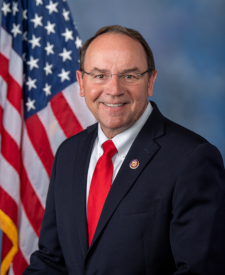
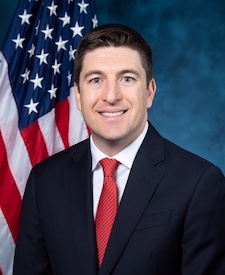
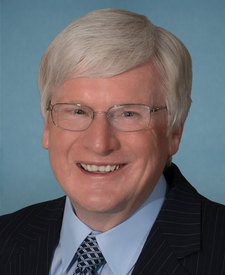
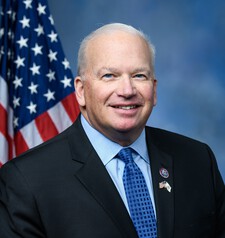
Mr. Tiffany (for himself, Mr. Steil, Mr. Wied, Mr. Grothman, …
Referred to the House Committee on Natural Resources.
Introduced in House
Stakeholder Effects
cui bono?How this legislation distributes effects. Mention counts reflect frequency, not effect magnitude.
Hunters and trappers using the Apostle Islands National Lakeshore
Tourism operators and hospitality businesses in the Apostle Islands region
Ojibwe tribes with treaty rights to hunt, trap, fish, and gather
Recreational fishing operators and charter services
Bill Structure & Actor Mappings
Who is "The Secretary" in each section?
- "nps"
- → National Park Service
- "tribes"
- → Ojibwe tribes
We use a combination of our own taxonomy and classification in addition to large language models to assess meaning and potential beneficiaries. High confidence means strong textual evidence. Always verify with the original bill text.
Learn more about our methodology