SEVER Act
Summary
What This Bill Does
The SEVER Act is a narrow visa restriction. It amends section 407(a)(1) of the Foreign Relations Authorization Act for fiscal years 1990 and 1991, which governs denial of visas to certain representatives to the United Nations. The bill adds people subject to sanctions under Executive Order 13876, the Iran-related sanctions order, as in effect on September 16, 2025. The practical effect is that a foreign representative who might otherwise seek entry for United Nations-related activity can be denied a U.S. visa if that person is covered by the specified Iran sanctions authority.
Who Benefits and How
U.S. sanctions policy officials benefit because the visa-denial rule aligns U.N. representative access with Executive Order 13876 sanctions. Iran human rights and security advocates benefit from a tighter entry restriction on sanctioned officials. State Department visa officers benefit from a specific statutory basis for denying visas to covered sanctioned representatives. Members of Congress favoring sanctions enforcement benefit from a narrower exception to U.N.-related access.
Who Bears the Burden and How
Sanctioned foreign representatives lose access to U.S. visas for United Nations-related travel when the new category applies. Foreign missions with sanctioned personnel must adjust delegation staffing for U.N. activity in the United States. State Department consular staff must screen U.N. representative visa requests against the Executive Order 13876 sanctions list. United Nations diplomatic schedulers may need to accommodate delegation changes when visas are denied.
Key Provisions
- Adds Executive Order 13876 sanctions status to the U.N. representative visa-denial statute.
- Targets representatives subject to Iran-related sanctions as of September 16, 2025.
- Requires visa screening for the new sanctions category.
- Limits U.S. entry for covered sanctioned officials seeking United Nations-related travel.
Evidence Chain:
This summary is generated from the full bill text using AI analysis. Expand "Detailed Analysis" below for identified beneficiaries/burden bearers with clause-level evidence links.
At a Glance
What This Bill Does
Makes representatives to the United Nations ineligible for U.S. visas when they are subject to sanctions under Executive Order 13876, as in effect on September 16, 2025, by adding that sanctions category to the Foreign Relations Authorization Act visa-denial rule.
Key Policy Areas
Foreign Affairs, Sanctions, Immigration
Primary Purpose
Makes representatives to the United Nations ineligible for U.S. visas when they are subject to sanctions under Executive Order 13876, as in effect on September 16, 2025, by adding that sanctions category to the Foreign Relations Authorization Act visa-denial rule.
Policy Domains
Resolution provisions
Identified Gains
- U.S. sanctions policy officials
- Iran human rights advocates
- State Department visa officers
- Members of Congress favoring sanctions enforcement
Identified Costs
- Sanctioned foreign representatives
- Foreign missions with sanctioned personnel
- State Department consular staff
- United Nations diplomatic schedulers
Sponsors
Legislative Progress
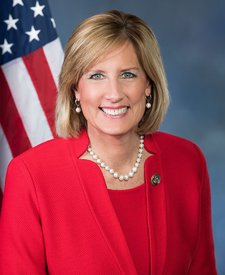
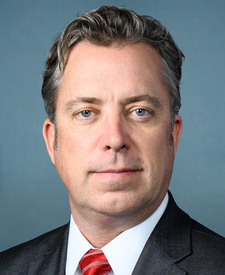
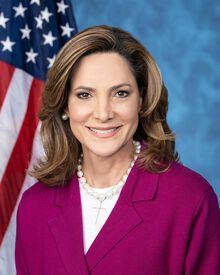
In CommitteeMs. Tenney (for herself, Mr. Ogles, and Ms. Salazar) introduced …
Referred to the House Committee on the Judiciary.
Introduced in House
Stakeholder Effects
cui bono?How this legislation distributes effects. Mention counts reflect frequency, not effect magnitude.
Foreign missions with sanctioned personnel, Sanctioned foreign representatives, State Department consular staff
Bill Structure & Actor Mappings
Who is "The Secretary" in each section?
We use a combination of our own taxonomy and classification in addition to large language models to assess meaning and potential beneficiaries. High confidence means strong textual evidence. Always verify with the original bill text.
Learn more about our methodology