GUARD Act
Summary
What This Bill Does
The GUARD Act authorizes a Department of Defense research-institute model for national-security artificial intelligence. The Secretary of Defense may establish at least one National Security and Defense Artificial Intelligence Institute at an eligible host institution. Each institute must focus on a cross-cutting AI challenge or foundational science for national-security and defense AI systems, build partnerships among federal agencies, colleges and universities, community colleges, nonprofit research organizations, federal laboratories, state, local, and tribal governments, the defense industrial base, and startups, and translate research into defense applications and products. DOD may provide financial assistance for five years, renewable for no more than one additional five-year period, through competitive merit review. Awards cannot go to entities outside the United States, and recipients must comply with subaward and research-security requirements.
Who Benefits and How
U.S. AI research universities benefit because eligible host institutions can receive long-term DOD institute awards. Defense industrial base companies benefit from institute partnerships that translate AI research into national-security applications. Community college AI programs benefit from explicit inclusion in institute partnership and workforce outreach activities. Defense mission users benefit if institute research produces safer and more capable AI tools for national-security use.
Who Bears the Burden and How
Department of Defense research managers must run merit-based competitions, award financial assistance, and oversee institute performance. Institute host institutions must coordinate public-private partners, research-security compliance, workforce outreach, and defense-relevant deliverables. Foreign research entities are excluded from direct financial assistance. Federal taxpayers fund the DOD assistance awards and renewals.
Key Provisions
- Authorizes DOD to establish at least one National Security and Defense Artificial Intelligence Institute.
- Requires institutes to focus on defense AI challenges and foundational AI science.
- Supports partnerships with universities, community colleges, federal laboratories, governments, defense companies, and startups.
- Provides five-year merit-based assistance awards renewable once.
- Bars awards to entities outside the United States.
Evidence Chain:
This summary is generated from the full bill text using AI analysis. Expand "Detailed Analysis" below for identified beneficiaries/burden bearers with clause-level evidence links.
At a Glance
What This Bill Does
Authorizes the Secretary of Defense to establish at least one National Security and Defense Artificial Intelligence Institute at eligible U.S. host institutions, using merit-based five-year assistance awards renewable once to build AI research, public-private partnerships, workforce outreach, and defense innovation ecosystems.
Key Policy Areas
Defense, Artificial Intelligence, Research
Primary Purpose
Authorizes the Secretary of Defense to establish at least one National Security and Defense Artificial Intelligence Institute at eligible U.S. host institutions, using merit-based five-year assistance awards renewable once to build AI research, public-private partnerships, workforce outreach, and defense innovation ecosystems.
Policy Domains
Resolution provisions
Identified Gains
- U.S. AI research universities
- Defense industrial base companies
- Community college AI programs
- Defense mission users
Identified Costs
- Department of Defense research managers
- Institute host institutions
- Foreign research entities
- Federal taxpayers
Sponsors
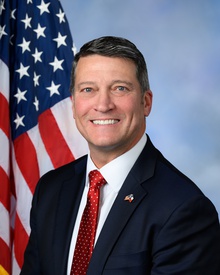
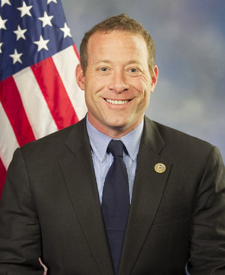
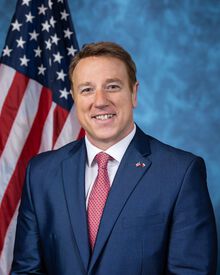
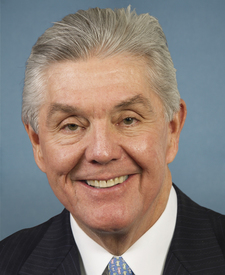
Legislative Progress
In CommitteeMr. Jackson of Texas (for himself, Mr. Fallon, Mr. McCaul, …
Referred to the House Committee on Armed Services.
Introduced in House
Stakeholder Effects
cui bono?How this legislation distributes effects. Mention counts reflect frequency, not effect magnitude.
Community college AI programs, U.S. AI research universities
Bill Structure & Actor Mappings
Who is "The Secretary" in each section?
We use a combination of our own taxonomy and classification in addition to large language models to assess meaning and potential beneficiaries. High confidence means strong textual evidence. Always verify with the original bill text.
Learn more about our methodology