Choice Arrangement
Summary
What This Bill Does
The Choice Arrangement bill codifies a health-benefits model called a custom health option and individual care expense arrangement, or CHOICE arrangement. It treats certain employer-funded health reimbursement arrangements integrated with individual market coverage as satisfying nondiscrimination, annual-limit, preventive-service, and disclosure requirements under the tax code and Public Health Service Act. The arrangement is funded solely by employer contributions, reimburses medical care up to a fixed dollar amount, and can reimburse care only while the worker is covered by individual health insurance or Medicare. Employees participating in a CHOICE arrangement can buy Exchange coverage through a cafeteria plan despite the usual restriction. The bill also creates a section 45BB employer credit: eligible employers get $100 per enrolled employee month during the first year of the credit period and half that amount during the second year, generally for employees whose CHOICE eligibility would make them eligible for minimum essential employer-sponsored coverage.
Who Benefits and How
Small employers benefit because the CHOICE arrangement credit lowers the first two years of adopting individual-coverage reimbursement arrangements. Employees offered CHOICE arrangements benefit because employer contributions can help buy individual coverage and reimbursable medical care. Individual market insurers benefit if more workers use employer-funded arrangements to purchase individual coverage. Benefits brokers benefit from clearer tax treatment and a new adoption incentive for employer clients.
Who Bears the Burden and How
Employer plan administrators must design CHOICE arrangements around fixed-dollar employer contributions, eligibility rules, and tax reporting. Internal Revenue Service examiners must administer the section 45BB credit and cafeteria-plan exception. Treasury benefits guidance staff must interpret CHOICE compliance with tax-code and Public Health Service Act requirements. Federal taxpayers bear the revenue cost of the new two-year employer credit.
Key Provisions
- Creates tax-code treatment for CHOICE arrangements integrated with individual market coverage or Medicare.
- Allows participating employees to buy Exchange coverage through cafeteria plans.
- Provides a $100-per-month employer credit in the first year and half that amount in the second year.
- Limits reimbursable care to periods when the participant has individual health insurance or Medicare coverage.
Evidence Chain:
This summary is generated from the full bill text using AI analysis. Expand "Detailed Analysis" below for identified beneficiaries/burden bearers with clause-level evidence links.
At a Glance
What This Bill Does
Creates federal tax treatment for CHOICE individual-coverage health reimbursement arrangements, allows participating employees to use cafeteria plans for Exchange coverage, and creates a two-year employer credit of $100 per enrolled employee month in year one and half that amount in year two.
Key Policy Areas
Health Insurance, Tax, Employee Benefits
Primary Purpose
Creates federal tax treatment for CHOICE individual-coverage health reimbursement arrangements, allows participating employees to use cafeteria plans for Exchange coverage, and creates a two-year employer credit of $100 per enrolled employee month in year one and half that amount in year two.
Policy Domains
Resolution provisions
Identified Gains
- Small employers
- Employees offered CHOICE arrangements
- Individual market insurers
- Benefits brokers
Identified Costs
- Employer plan administrators
- Internal Revenue Service examiners
- Treasury benefits guidance staff
- Federal taxpayers
Sponsors


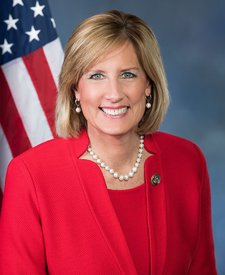


Legislative Progress
In CommitteeMr. Hern of Oklahoma (for himself, Ms. Van Duyne, and …
Referred to the House Committee on Ways and Means.
Introduced in House
Stakeholder Effects
cui bono?How this legislation distributes effects. Mention counts reflect frequency, not effect magnitude.
Benefits brokers, Individual market insurers
Internal Revenue Service examiners, Treasury benefits guidance staff
Bill Structure & Actor Mappings
Who is "The Secretary" in each section?
We use a combination of our own taxonomy and classification in addition to large language models to assess meaning and potential beneficiaries. High confidence means strong textual evidence. Always verify with the original bill text.
Learn more about our methodology