To amend title XIX of the Social Security Act to revise the definition of institution for mental diseases under the Medicaid program to exclude from such definition institutions having 36 beds or less if such institutions meet certain standards.
Analysis under review: This bill has generated analysis that may be too generic or incomplete. Clause-level evidence remains available below.
Summary
What This Bill Does
The bill amends the Medicaid definition of institution for mental diseases (IMD) to exempt facilities with 36 beds or fewer from the IMD exclusion if they meet nationally recognized, evidence-based standards for mental health. It relies on definition changes, exemptions, and product standards. The main policy areas are Healthcare and Elections.
Who Benefits and How
Small psychiatric hospitals and residential treatment centers (36 beds or fewer) could gain revenue opportunities and State Medicaid programs could gain revenue opportunities.
Who Bears the Burden and How
Federal government (Centers for Medicare and Medicaid Services) could face higher costs.
Key Provisions
- Amends the Medicaid definition of institution for mental diseases (IMD) to exempt facilities with 36 beds or fewer from the IMD exclusion if they meet nationally recognized, evidence-based standards for mental health...
Evidence Chain:
This summary is generated from the full bill text using AI analysis. Expand "Detailed Analysis" below for identified beneficiaries/burden bearers with clause-level evidence links.
At a Glance
What This Bill Does
The bill amends the Medicaid definition of institution for mental diseases (IMD) to exempt facilities with 36 beds or fewer from the IMD exclusion if they meet nationally recognized, evidence-based standards for mental health.
Key Policy Areas
Healthcare, Elections
Primary Purpose
The bill amends the Medicaid definition of institution for mental diseases (IMD) to exempt facilities with 36 beds or fewer from the IMD exclusion if they meet nationally recognized, evidence-based standards for mental health.
Policy Domains
Strengthening Elections Against Climate Disasters
Identified Gains
- Small psychiatric hospitals and residential treatment centers (36 beds or fewer)
- State Medicaid programs
Identified Costs
- Federal government (Centers for Medicare and Medicaid Services)
Sponsors

Legislative Progress
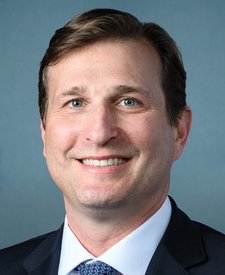
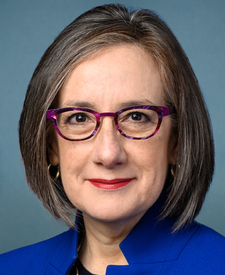
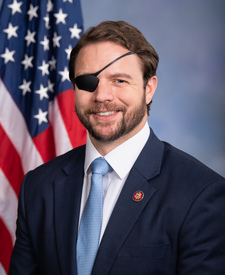
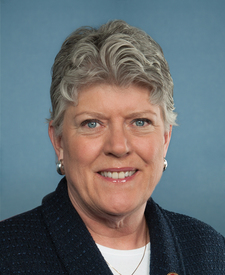
IntroducedMr. Goldman of New York (for himself, Ms. Barragán, Mr. …
Stakeholder Effects
cui bono?How this legislation distributes effects. Mention counts reflect frequency, not effect magnitude.
Small facilities seeking Medicaid eligibility, Small psychiatric hospitals and residential treatment centers (36 beds or fewer)
Federal government (Centers for Medicare and Medicaid Services)
Bill Structure & Actor Mappings
Who is "The Secretary" in each section?
- "the_commission"
- → Election Assistance Commission
- "the_comptroller_general"
- → Comptroller General of the United States (GAO)
Key Definitions
Terms defined in this bill
A major disaster as defined in section 102 of the Robert T. Stafford Disaster Relief and Emergency Assistance Act (42 U.S.C. 5122)
We use a combination of our own taxonomy and classification in addition to large language models to assess meaning and potential beneficiaries. High confidence means strong textual evidence. Always verify with the original bill text.
Learn more about our methodology