Aviation Funding Stability Act of 2025
Summary
What This Bill Does
The Aviation Funding Stability Act of 2025 creates a shutdown backstop for the Federal Aviation Administration. If a fiscal year begins without an FAA appropriation and without a continuing resolution in effect, amounts in the Airport and Airway Trust Fund that are not otherwise appropriated become available to the FAA Administrator for continuing programs, projects, and activities that were funded in the preceding fiscal year. The covered accounts include FAA Operations, Facilities and Equipment, Research, Engineering, and Development, and Grants-in-Aid for Airports, along with costs of direct loans and loan guarantees. The bill is designed to keep aviation safety, airport grants, modernization, and research activities from stopping solely because regular appropriations or a continuing resolution has lapsed.
Who Benefits and How
FAA operations staff benefit because trust-fund amounts can keep continuing programs running during an appropriations lapse. Airport Improvement Program grant recipients benefit from a funding bridge for grants-in-aid activities. Aviation safety inspectors benefit if FAA operations continue without relying on ad hoc shutdown exceptions. Airport sponsors benefit because facilities, equipment, and airport grant accounts remain available for continuing activities.
Who Bears the Burden and How
FAA budget staff must administer trust-fund availability and keep spending within continuing-program limits. OMB apportionment staff must coordinate lapse-period use of Airport and Airway Trust Fund balances. Congressional appropriators lose some shutdown leverage over FAA continuity during a lapse. Airport and Airway Trust Fund balances bear the near-term draw for continuing FAA programs.
Key Provisions
- Provides FAA access to otherwise unappropriated Airport and Airway Trust Fund amounts during an appropriations lapse.
- Funds continuing operations, facilities, equipment, research, airport grants, direct loans, and loan guarantees.
- Limits use to programs and accounts conducted in the preceding fiscal year.
- Protects aviation safety and airport funding continuity when regular appropriations or a continuing resolution is not in effect.
Evidence Chain:
This summary is generated from the full bill text using AI analysis. Expand "Detailed Analysis" below for identified beneficiaries/burden bearers with clause-level evidence links.
At a Glance
What This Bill Does
Makes unobligated Airport and Airway Trust Fund amounts available to the FAA during an appropriations lapse or absent continuing resolution for continuing FAA operations, facilities, equipment, research, airport grants, and direct loan or loan guarantee costs at prior-year funding structures.
Key Policy Areas
Aviation, Appropriations, Transportation
Primary Purpose
Makes unobligated Airport and Airway Trust Fund amounts available to the FAA during an appropriations lapse or absent continuing resolution for continuing FAA operations, facilities, equipment, research, airport grants, and direct loan or loan guarantee costs at prior-year funding structures.
Policy Domains
Resolution provisions
Identified Gains
- FAA operations staff
- Airport Improvement Program grant recipients
- Aviation safety inspectors
- Airport sponsors
Identified Costs
- FAA budget staff
- OMB apportionment staff
- Congressional appropriators
- Airport and Airway Trust Fund balances
Sponsors


Legislative Progress
In CommitteeReferred to the Subcommittee on Aviation.
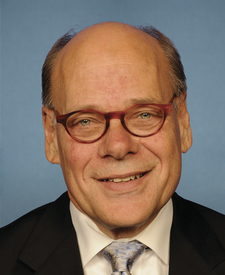
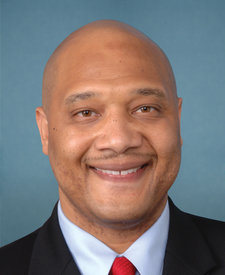
Mr. Cohen (for himself and Mr. Carson) introduced the following …
Referred to the Committee on Transportation and Infrastructure, and in …
Introduced in House
Stakeholder Effects
cui bono?How this legislation distributes effects. Mention counts reflect frequency, not effect magnitude.
Airport Improvement Program grant recipients, Airport sponsors
Bill Structure & Actor Mappings
Who is "The Secretary" in each section?
We use a combination of our own taxonomy and classification in addition to large language models to assess meaning and potential beneficiaries. High confidence means strong textual evidence. Always verify with the original bill text.
Learn more about our methodology