No Tariffs on Groceries Act
Summary
What This Bill Does
The No Tariffs on Groceries Act is a targeted trade constraint for food prices. It says the President may not impose duties proposed by the Presidential Administration on articles of food unless the President first transmits a request to Congress and Congress specifically approves that request in an Act of Congress. Existing tariff-rate quotas on food are not affected. The definition of articles of food is broad: human and animal food or drink, components of those goods, and agricultural inputs such as seeds, fertilizers, manures, and agro-chemicals. The practical effect is to shift new food-tariff decisions from unilateral executive action to an affirmative congressional vote.
Who Benefits and How
Grocery consumers benefit because the bill aims to prevent new food tariffs that could raise retail prices. Food importers benefit because new duties on food or food components would require specific congressional approval. Farm input purchasers benefit because seeds, fertilizers, manures, and agro-chemicals are included in the tariff restriction. Food manufacturers benefit from lower risk of sudden tariffs on ingredients or components used in production.
Who Bears the Burden and How
The President loses unilateral flexibility to impose covered food duties without specific statutory approval. U.S. Trade Representative staff must route covered food-tariff proposals through Congress. Congressional trade committees must evaluate and legislate any proposed food-duty request. Domestic producers seeking tariff protection for covered food products face a higher procedural barrier.
Key Provisions
- Prohibits new proposed administration duties on articles of food without a presidential request and Act of Congress approval.
- Protects existing tariff-rate quotas from the new limitation.
- Covers human food, animal feed, drink products, ingredients, seeds, fertilizers, manures, and agro-chemicals.
- Requires Congress to specifically approve covered food tariffs before they take effect.
Evidence Chain:
This summary is generated from the full bill text using AI analysis. Expand "Detailed Analysis" below for identified beneficiaries/burden bearers with clause-level evidence links.
At a Glance
What This Bill Does
Prohibits the President from imposing proposed administration duties on articles of food unless Congress receives a request and specifically approves the duties by statute, while leaving existing tariff-rate quotas unchanged and covering food, drink, ingredients, seeds, fertilizers, manures, and agro-chemicals.
Key Policy Areas
Trade, Food, Agriculture
Primary Purpose
Prohibits the President from imposing proposed administration duties on articles of food unless Congress receives a request and specifically approves the duties by statute, while leaving existing tariff-rate quotas unchanged and covering food, drink, ingredients, seeds, fertilizers, manures, and agro-chemicals.
Policy Domains
Resolution provisions
Identified Gains
- Grocery consumers
- Food importers
- Farm input purchasers
- Food manufacturers
Identified Costs
- President of the United States
- U.S. Trade Representative staff
- Congressional trade committees
- Domestic tariff petitioners
Sponsors

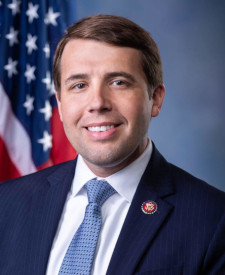

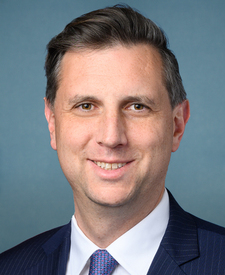
Legislative Progress
In CommitteeMs. Stevens introduced the following bill; which was referred to …
Referred to the House Committee on Ways and Means.
Introduced in House
Stakeholder Effects
cui bono?How this legislation distributes effects. Mention counts reflect frequency, not effect magnitude.
President of the United States, U.S. Trade Representative staff
Bill Structure & Actor Mappings
Who is "The Secretary" in each section?
We use a combination of our own taxonomy and classification in addition to large language models to assess meaning and potential beneficiaries. High confidence means strong textual evidence. Always verify with the original bill text.
Learn more about our methodology