Medical Laboratory Personnel Shortage Relief Act of 2025
Summary
What This Bill Does
The Medical Laboratory Personnel Shortage Relief Act treats laboratory workers as a health-workforce shortage category. It amends the Public Health Service Act so medical laboratory services can be part of National Health Service Corps assignments and so the Secretary of HHS identifies medical laboratory health professional target areas. The bill defines medical laboratory personnel to include people training in accredited medical laboratory science programs and workers who examine human-derived materials for diagnosis, prevention, or treatment, including phlebotomists, medical laboratory assistants, histotechnologists, laboratory scientists, laboratory technicians, and genetic counselors. It also creates a medical laboratory personnel education grant or contract program for accredited nonprofit hospitals, allied health schools, and nonprofit internship sponsors to run degree or certificate programs and recruit, train, and develop faculty. HHS must prioritize innovative clinical teaching, rural and underrepresented trainees, interprofessional collaboration, cultural competency, and health literacy.
Who Benefits and How
Medical laboratory trainees benefit because accredited programs can receive federal support for degrees, certificates, faculty, and clinical teaching. Phlebotomists and laboratory technicians benefit because the bill includes their workforce category in health professional target-area planning. Rural hospitals benefit if laboratory personnel are trained or assigned to shortage areas that struggle to staff diagnostic services. Patients needing diagnostic testing benefit from a larger laboratory workforce for timely disease diagnosis, prevention, and treatment decisions.
Who Bears the Burden and How
HHS workforce staff must identify laboratory health professional target areas and administer the new education grants or contracts. National Health Service Corps administrators must integrate medical laboratory personnel into shortage-area assignments. Eligible education program sponsors must meet accreditation, faculty, recruitment, priority, and grant-duration requirements. Federal taxpayers fund a new laboratory workforce training program.
Key Provisions
- Adds medical laboratory services to National Health Service Corps shortage-area programs.
- Creates medical laboratory health professional target areas for Corps assignments.
- Defines medical laboratory personnel to include trainees, phlebotomists, laboratory assistants, histotechnologists, scientists, technicians, and genetic counselors.
- Authorizes HHS grants or contracts for accredited medical laboratory professional education programs.
- Prioritizes rural, underrepresented, disadvantaged, cultural-competency, health-literacy, and clinical-teaching approaches.
Evidence Chain:
This summary is generated from the full bill text using AI analysis. Expand "Detailed Analysis" below for identified beneficiaries/burden bearers with clause-level evidence links.
At a Glance
What This Bill Does
Adds medical laboratory personnel and services to National Health Service Corps shortage-area programs and creates HHS grants or contracts for accredited medical laboratory professional education programs, including faculty development, rural and underrepresented trainee recruitment, clinical teaching, cultural competency, and health literacy.
Key Policy Areas
Health Workforce, Medical Education, Health Care
Primary Purpose
Adds medical laboratory personnel and services to National Health Service Corps shortage-area programs and creates HHS grants or contracts for accredited medical laboratory professional education programs, including faculty development, rural and underrepresented trainee recruitment, clinical teaching, cultural competency, and health literacy.
Policy Domains
Resolution provisions
Identified Gains
- Medical laboratory trainees
- Phlebotomists
- Rural hospitals
- Patients needing diagnostic testing
Identified Costs
- HHS workforce staff
- National Health Service Corps administrators
- Eligible education program sponsors
- Federal taxpayers
Sponsors
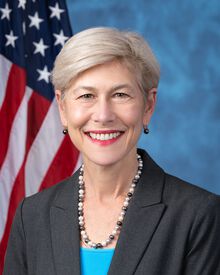
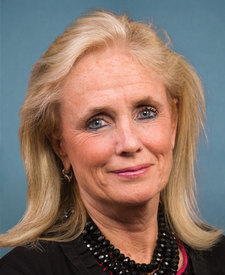
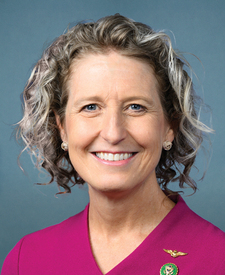
Legislative Progress
In CommitteeMs. Ross (for herself and Mrs. Kiggans of Virginia) introduced …
Referred to the House Committee on Energy and Commerce.
Introduced in House
Stakeholder Effects
cui bono?How this legislation distributes effects. Mention counts reflect frequency, not effect magnitude.
Allied health schools, Medical laboratory trainees
HHS grant staff, HHS workforce staff, National Health Service Corps administrators
Bill Structure & Actor Mappings
Who is "The Secretary" in each section?
We use a combination of our own taxonomy and classification in addition to large language models to assess meaning and potential beneficiaries. High confidence means strong textual evidence. Always verify with the original bill text.
Learn more about our methodology