Stop CMV Act of 2025
Summary
What This Bill Does
The Stop CMV Act of 2025 adds congenital Cytomegalovirus screening to the Public Health Service Act. Hospitals or other designated health care entities caring for infants 21 days old or younger may administer CMV tests. State chief health officers may set standards and procedures for test administration, recording results, tracking, follow-up reviews, educational activities, and dissemination of testing information to parents or guardians. If a state lacks approved standards two years after enactment, the Discretionary Advisory Committee on Heritable Disorders in Newborns and Children must prescribe standards the state may implement, and state standards remain subject to Advisory Committee review and approval. The bill supports education and training for providers, patients, and the public about CMV risk reduction, prevention, symptoms, diagnosis, and treatment, with such sums as necessary authorized for fiscal years 2025 and 2026. NIH must establish or expand research on new CMV screening techniques, clinical studies, intervention efficacy, diagnostics, public health awareness, risk reduction, vaccine development, and cures or treatments during pregnancy and after birth.
Who Benefits and How
Infants with congenital CMV benefit from earlier screening, diagnosis, follow-up, and potential intervention. Parents of newborns benefit from state procedures for notice and educational information about CMV testing. State newborn screening programs benefit from federal standards, Advisory Committee review, and education support. NIH CMV researchers benefit from a statutory instruction to expand screening, diagnostic, prevention, vaccine, and treatment research.
Who Bears the Burden and How
Hospitals caring for newborn infants must administer or arrange CMV testing when they participate under state or federal standards. State health officers must develop standards for testing, tracking, follow-up, education, and parent notification. Advisory Committee members must review state standards and prescribe fallback procedures if a state does not act within two years. NIH program staff must establish or expand congenital CMV research programs.
Key Provisions
- Authorizes congenital CMV screening for infants 21 days old or younger.
- Requires state standards for test administration, result recording, tracking, follow-up, education, and parent notice.
- Requires Advisory Committee fallback standards when states lack approved procedures after two years.
- Funds provider, patient, and public education for fiscal years 2025 and 2026.
- Requires NIH research on CMV screening, diagnostics, prevention, treatments, vaccines, and cures.
Evidence Chain:
This summary is generated from the full bill text using AI analysis. Expand "Detailed Analysis" below for identified beneficiaries/burden bearers with clause-level evidence links.
At a Glance
What This Bill Does
Creates a Public Health Service Act framework for congenital cytomegalovirus screening of infants 21 days old or younger, state testing standards and parent notice procedures, Advisory Committee fallback standards after two years, provider and public education, and NIH research on CMV screening, diagnostics, prevention, treatment, vaccines, and cures.
Key Policy Areas
Public Health, Newborn Screening, Medical Research
Primary Purpose
Creates a Public Health Service Act framework for congenital cytomegalovirus screening of infants 21 days old or younger, state testing standards and parent notice procedures, Advisory Committee fallback standards after two years, provider and public education, and NIH research on CMV screening, diagnostics, prevention, treatment, vaccines, and cures.
Policy Domains
Resolution provisions
Identified Gains
- Infants with congenital CMV
- Parents of newborns
- State newborn screening programs
- NIH CMV researchers
Identified Costs
- Hospitals caring for newborn infants
- State health officers
- Advisory Committee members
- NIH program staff
Sponsors

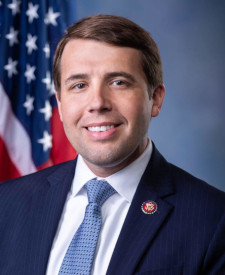
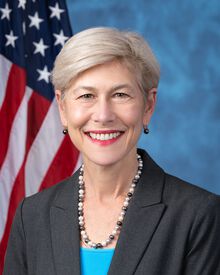


Legislative Progress
In CommitteeMr. Lawler (for himself, Mr. Landsman, and Ms. Ross) introduced …
Referred to the House Committee on Energy and Commerce.
Introduced in House
Stakeholder Effects
cui bono?How this legislation distributes effects. Mention counts reflect frequency, not effect magnitude.
State health officers, State newborn screening programs
Positive-direction: State newborn screening programs
Negative-direction: State health officers
Bill Structure & Actor Mappings
Who is "The Secretary" in each section?
We use a combination of our own taxonomy and classification in addition to large language models to assess meaning and potential beneficiaries. High confidence means strong textual evidence. Always verify with the original bill text.
Learn more about our methodology