HUD-USDA-VA Interagency Coordination Act
Summary
What This Bill Does
The HUD-USDA-VA Interagency Coordination Act is a narrower housing policy coordination measure than the broader five-agency bill in the same slice. It directs the Secretaries of Housing and Urban Development, Agriculture, and Veterans Affairs to establish a memorandum of understanding or similar interagency agreement to share housing-related research and market data for evidence-based policymaking. Within 180 days, the three Secretaries must jointly report to House and Senate housing, agriculture, and veterans committees on policy proposals covering federal housing finance program coordination, ways to lower mortgage origination and servicing costs through aligned underwriting and servicing standards, housing construction costs, production barriers, development incentives, local regulatory barriers, insurance costs and availability, down payment assistance, and transaction costs. The practical target is coordination across HUD housing programs, USDA rural housing, and VA housing benefits.
Who Benefits and How
Homebuyers benefit if the agencies identify ways to reduce mortgage origination, servicing, insurance, down payment, and transaction costs. Veterans using VA home loans benefit from coordinated housing finance proposals that include VA programs. Rural homebuyers benefit because USDA housing data and rural housing programs are included. Congressional housing committees benefit from a 180-day policy report across HUD, USDA, and VA.
Who Bears the Burden and How
HUD housing policy staff must negotiate data sharing and coordinate the interagency report. USDA rural housing staff must share research and market data and contribute policy proposals. VA home loan staff must participate in the memorandum and report. Local governments with regulatory barriers may face scrutiny in federal housing-supply recommendations.
Key Provisions
- Requires a HUD-USDA-VA memorandum of understanding for housing research and market data.
- Requires a joint interagency report within 180 days.
- Requires policy proposals on federal housing finance coordination and lower mortgage costs.
- Requires review of housing construction costs, production barriers, insurance costs, down payment assistance, and transaction costs.
Evidence Chain:
This summary is generated from the full bill text using AI analysis. Expand "Detailed Analysis" below for identified beneficiaries/burden bearers with clause-level evidence links.
At a Glance
What This Bill Does
Requires HUD, Agriculture, and Veterans Affairs to create a housing-research data-sharing memorandum of understanding and submit a 180-day interagency report with policy proposals on housing finance coordination, mortgage costs, construction costs, production barriers, local regulation, insurance, down payment assistance, and transaction costs.
Key Policy Areas
Housing, Mortgage Finance, Federal Coordination
Primary Purpose
Requires HUD, Agriculture, and Veterans Affairs to create a housing-research data-sharing memorandum of understanding and submit a 180-day interagency report with policy proposals on housing finance coordination, mortgage costs, construction costs, production barriers, local regulation, insurance, down payment assistance, and transaction costs.
Policy Domains
Resolution provisions
Identified Gains
- Homebuyers
- Veterans using VA home loans
- Rural homebuyers
- Congressional housing committees
Identified Costs
- HUD housing policy staff
- USDA rural housing staff
- VA home loan staff
- Local governments with regulatory barriers
Sponsors
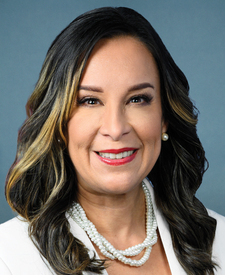
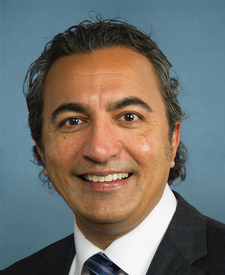

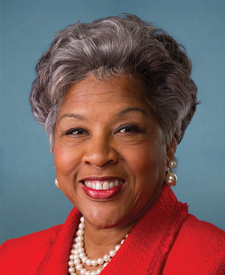

Legislative Progress
In CommitteeReferred to the Subcommittee on Economic Opportunity.
Ms. De La Cruz (for herself and Mrs. Beatty) introduced …
Referred to the Committee on Financial Services, and in addition …
Introduced in House
Stakeholder Effects
cui bono?How this legislation distributes effects. Mention counts reflect frequency, not effect magnitude.
HUD housing policy staff, USDA rural housing staff, VA home loan staff
Bill Structure & Actor Mappings
Who is "The Secretary" in each section?
We use a combination of our own taxonomy and classification in addition to large language models to assess meaning and potential beneficiaries. High confidence means strong textual evidence. Always verify with the original bill text.
Learn more about our methodology