Nitazene Control Act of 2025
Summary
What This Bill Does
The Nitazene Control Act of 2025 responds to synthetic opioids that can exceed fentanyl potency and have appeared in the illicit drug supply. The findings say DEA has temporarily or permanently scheduled multiple 2-benzylbenzimidazole opioid compounds because of high abuse potential and no accepted medical use, and that class-wide scheduling is needed to address new analogs. The bill adds nitazenes to Schedule I of the Controlled Substances Act as 2-benzylbenzimidazole opioids, covering isomers, esters, ethers, salts, and specified structural variations at the 1-position, 2-position, phenyl portion, and 6-position, so long as the substance exhibits agonist activity at the mu-opioid receptor. It names examples such as etonitazene, clonitazene, metonitazene, isotonitazene, protonitazene, butonitazene, etodesnitazene, flunitazene, N-pyrrolidino etonitazene, N-desethyl isotonitazene, and N-piperidinyl etonitazene. Any covered substance temporarily scheduled under Controlled Substances Act section 201(h) becomes permanently scheduled on enactment. The bill does not authorize new research without proper registration and scheduling compliance.
Who Benefits and How
Drug Enforcement Administration diversion investigators benefit from class-wide Schedule I coverage for nitazenes and analogs. Public health agencies benefit from a permanent federal control framework for emerging synthetic opioid compounds. Families affected by opioid overdoses benefit indirectly if scheduling reduces illicit nitazene proliferation. Registered Schedule I researchers benefit from clarification that research pathways remain available only with proper registration and compliance.
Who Bears the Burden and How
Illicit opioid traffickers face higher federal enforcement risk for nitazenes and covered analogs. Chemical suppliers handling covered compounds must comply with Schedule I registration and control requirements. Researchers without Schedule I registration may not initiate new nitazene research under the bill. DEA scheduling staff must administer permanent class-wide nitazene controls.
Key Provisions
- Adds 2-benzylbenzimidazole opioids commonly known as nitazenes to Schedule I.
- Covers isomers, esters, ethers, salts, structural modifications, and mu-opioid receptor agonist activity.
- Makes temporarily scheduled covered substances permanently scheduled as of enactment.
- Names examples including etonitazene, metonitazene, isotonitazene, protonitazene, and flunitazene.
- Requires proper registration and scheduling compliance for research.
Evidence Chain:
This summary is generated from the full bill text using AI analysis. Expand "Detailed Analysis" below for identified beneficiaries/burden bearers with clause-level evidence links.
At a Glance
What This Bill Does
Permanently places the class of 2-benzylbenzimidazole opioids commonly known as nitazenes in Schedule I of the Controlled Substances Act, including listed structural modifications and named examples, while preserving proper registration and scheduling compliance for research.
Key Policy Areas
Drug Policy, Public Health, Law Enforcement
Primary Purpose
Permanently places the class of 2-benzylbenzimidazole opioids commonly known as nitazenes in Schedule I of the Controlled Substances Act, including listed structural modifications and named examples, while preserving proper registration and scheduling compliance for research.
Policy Domains
Resolution provisions
Identified Gains
- Drug Enforcement Administration diversion investigators
- Public health agencies
- Families affected by opioid overdoses
- Registered Schedule I researchers
Identified Costs
- Illicit opioid traffickers
- Chemical suppliers handling covered compounds
- Researchers without Schedule I registration
- DEA scheduling staff
Sponsors



Legislative Progress
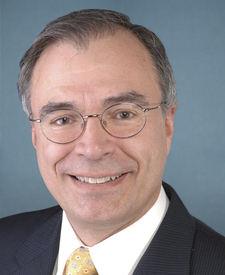
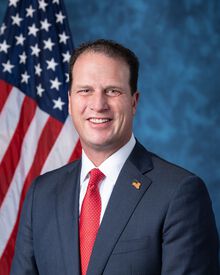
In CommitteeMr. Vindman (for himself and Mr. Baumgartner) introduced the following …
Referred to the Committee on Energy and Commerce, and in …
Introduced in House
Stakeholder Effects
cui bono?How this legislation distributes effects. Mention counts reflect frequency, not effect magnitude.
Drug Enforcement Administration diversion investigators, Illicit opioid traffickers
Positive-direction: Drug Enforcement Administration diversion investigators
Negative-direction: Illicit opioid traffickers
Families affected by opioid overdoses, Public health agencies
Researchers without Schedule I registration
Bill Structure & Actor Mappings
Who is "The Secretary" in each section?
We use a combination of our own taxonomy and classification in addition to large language models to assess meaning and potential beneficiaries. High confidence means strong textual evidence. Always verify with the original bill text.
Learn more about our methodology