Food Farmacy Act of 2025
Summary
What This Bill Does
The Food Farmacy Act of 2025 creates a Public Health Service Act grant program for healthy food pharmacies. HHS, acting through the Assistant Secretary for Health and consulting USDA, may fund eligible nonprofit qualified health care providers, state or local government entities, and Tribal organizations. Grants may pay for construction, conversion, renovation, mobile food pharmacy equipment, staffing to operate the pharmacy and connect patients to other programs, and food or materials for distribution. Eligible healthy food pharmacies must offer access to healthy foods and nutritional guidance from qualified health care professionals, prioritize low-income, rural, or food-insecure communities, provide food and guidance free of charge to Medicaid or SNAP beneficiaries, and support HHS's Food is Medicine initiative. Applications must describe community need, project plans, food sourcing, staffing, performance metrics, partnerships, and sustainability. HHS must prioritize eligible entities serving areas with limited healthy-food access. The bill defines healthy food, healthy food pharmacy, qualified health care professional, qualified health care provider, and authorizes $10 million per year for fiscal years 2026 through 2030.
Who Benefits and How
Medicaid beneficiaries benefit because healthy food pharmacies funded by the bill must provide food and nutritional guidance free of charge to them. SNAP beneficiaries benefit from the same free food and nutrition guidance requirement. Federally qualified health centers benefit because qualified health care providers are eligible to apply for grants. Rural food-insecure communities benefit because HHS must prioritize communities with limited healthy-food access and low-income or rural need.
Who Bears the Burden and How
Assistant Secretary for Health staff must administer grants, define terms, review applications, and prioritize limited-access communities. USDA nutrition staff must consult on the grant program and healthy-food standards. Healthy food pharmacy operators must provide required services, staffing, metrics, partnerships, and free support to Medicaid and SNAP beneficiaries. Federal taxpayers fund $10 million per year for fiscal years 2026 through 2030.
Key Provisions
- Creates HHS grants for healthy food pharmacies.
- Funds construction, renovation, equipment, staffing, food acquisition, and mobile food pharmacy costs.
- Requires free food and nutritional guidance for Medicaid and SNAP beneficiaries.
- Prioritizes low-income, rural, food-insecure, and limited healthy-food-access communities.
- Authorizes $10 million annually for fiscal years 2026 through 2030.
Evidence Chain:
This summary is generated from the full bill text using AI analysis. Expand "Detailed Analysis" below for identified beneficiaries/burden bearers with clause-level evidence links.
At a Glance
What This Bill Does
Authorizes HHS, through the Assistant Secretary for Health and in consultation with USDA, to make healthy food pharmacy grants for construction, renovation, equipment, staffing, food acquisition, free food and nutrition guidance for Medicaid and SNAP beneficiaries, Food is Medicine support, and $10 million annually for fiscal years 2026 through 2030.
Key Policy Areas
Nutrition, Health Care, Food Security
Primary Purpose
Authorizes HHS, through the Assistant Secretary for Health and in consultation with USDA, to make healthy food pharmacy grants for construction, renovation, equipment, staffing, food acquisition, free food and nutrition guidance for Medicaid and SNAP beneficiaries, Food is Medicine support, and $10 million annually for fiscal years 2026 through 2030.
Policy Domains
Resolution provisions
Identified Gains
- Medicaid beneficiaries
- SNAP beneficiaries
- Federally qualified health centers
- Rural food-insecure communities
Identified Costs
- Assistant Secretary for Health staff
- USDA nutrition staff
- Healthy food pharmacy operators
- Federal taxpayers
Sponsors



Legislative Progress
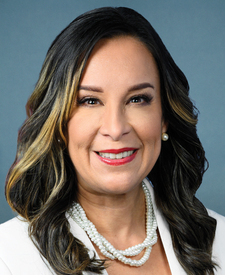
In CommitteeMrs. Sykes (for herself, Ms. De La Cruz, and Ms. …
Referred to the House Committee on Energy and Commerce.
Introduced in House
Stakeholder Effects
cui bono?How this legislation distributes effects. Mention counts reflect frequency, not effect magnitude.
Healthy food pharmacy operators, Rural food-insecure communities
Positive-direction: Rural food-insecure communities
Negative-direction: Healthy food pharmacy operators
Bill Structure & Actor Mappings
Who is "The Secretary" in each section?
We use a combination of our own taxonomy and classification in addition to large language models to assess meaning and potential beneficiaries. High confidence means strong textual evidence. Always verify with the original bill text.
Learn more about our methodology