Pay Our Troops Act of 2026
Summary
What This Bill Does
The Pay Our Troops Act of 2026 is a shutdown pay-continuity bill for military operations. During any period in fiscal year 2026 when interim or full-year appropriations are not in effect, it appropriates such sums as necessary for pay and allowances to Armed Forces members, including reserve components, who perform active service. It also covers Department of Defense civilian personnel and Coast Guard-related Homeland Security civilian personnel whom the relevant Secretary determines are supporting those service members, plus DOD and Coast Guard support contractors. The authority ends when regular or continuing appropriations for the same purpose are enacted, when an appropriations act omits funding for the purpose, or on January 1, 2027.
Who Benefits and How
Active-duty service members benefit because their pay and allowances continue during a fiscal year 2026 funding lapse. Reserve component members on active service benefit from the same pay protection. Defense Department civilian employees supporting troops benefit if the Secretary determines they are covered. Defense support contractors benefit if the Secretary determines their work supports covered service members.
Who Bears the Burden and How
Defense Department budget staff must administer open-ended continuing appropriations during any lapse. Homeland Security Coast Guard officials must identify covered civilian personnel and contractors. Federal taxpayers fund pay and allowances even without a broader fiscal year 2026 appropriations law. Appropriations committees retain pressure to enact regular or continuing appropriations before January 1, 2027.
Key Provisions
- Appropriates such sums as necessary for Armed Forces pay during fiscal year 2026 funding lapses.
- Provides pay continuity for supporting DOD civilian personnel and Coast Guard-related DHS civilian personnel.
- Provides pay continuity for supporting DOD and Coast Guard contractors as determined by the Secretary concerned.
- Limits availability until replacement appropriations, omitted-purpose appropriations, or January 1, 2027.
Evidence Chain:
This summary is generated from the full bill text using AI analysis. Expand "Detailed Analysis" below for identified beneficiaries/burden bearers with clause-level evidence links.
At a Glance
What This Bill Does
Provides fiscal year 2026 continuing appropriations for pay and allowances of active-service Armed Forces members, supporting civilian personnel, and supporting contractors during any lapse before interim or full-year appropriations are enacted, ending no later than January 1, 2027.
Key Policy Areas
Defense, Appropriations, Federal Workforce
Primary Purpose
Provides fiscal year 2026 continuing appropriations for pay and allowances of active-service Armed Forces members, supporting civilian personnel, and supporting contractors during any lapse before interim or full-year appropriations are enacted, ending no later than January 1, 2027.
Policy Domains
Resolution provisions
Identified Gains
- Active-duty service members
- Reserve component members
- Defense Department civilian employees
- Defense support contractors
Identified Costs
- Defense Department budget staff
- Homeland Security Coast Guard officials
- Federal taxpayers
- Appropriations committees
Sponsors


Legislative Progress
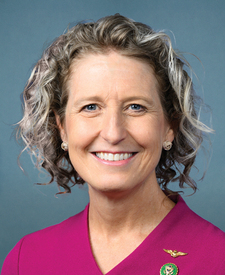
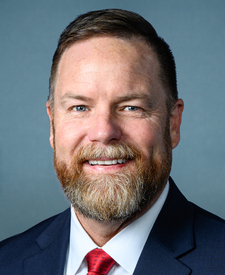
In CommitteeMrs. Kiggans of Virginia (for herself, Mr. Fitzpatrick, Ms. Mace, …
Referred to the House Committee on Appropriations.
Introduced in House
Stakeholder Effects
cui bono?How this legislation distributes effects. Mention counts reflect frequency, not effect magnitude.
Appropriations committees, Defense Department budget staff
Defense Department budget staff faces effects in multiple directions
Active-duty service members, Reserve component members
Bill Structure & Actor Mappings
Who is "The Secretary" in each section?
We use a combination of our own taxonomy and classification in addition to large language models to assess meaning and potential beneficiaries. High confidence means strong textual evidence. Always verify with the original bill text.
Learn more about our methodology