WHO Withdrawal Act
Summary
What This Bill Does
The WHO Withdrawal Act directs immediate U.S. exit from the Constitution of the World Health Organization. On enactment, the President must withdraw the United States from the WHO, and no federal department or agency may use available funds to support U.S. participation in the WHO or any successor organization. The preferred bill text also repeals the Act of June 14, 1948, which provided for U.S. membership, participation, and appropriations for the WHO. The practical effect is not a reform of WHO policy from inside the institution; it is a statutory instruction to leave and to cut off federal participation funding.
Who Benefits and How
WHO critics benefit because the bill converts opposition to the organization into a mandatory withdrawal and funding prohibition. Members of Congress favoring U.S. sovereignty in global health benefit from a direct statutory route to end participation. Federal budget cutters benefit because the bill blocks spending for WHO participation or a successor organization. Foreign policy offices opposing WHO membership benefit from repeal of the 1948 membership authorization.
Who Bears the Burden and How
The President must execute U.S. withdrawal from the WHO constitution. State Department global health staff must unwind U.S. WHO participation and related diplomatic engagement. HHS global health offices lose an institutional channel for WHO coordination. World Health Organization programs lose U.S. participation and any federal funds covered by the prohibition.
Key Provisions
- Requires presidential withdrawal from the World Health Organization.
- Bars federal funds for U.S. participation in the WHO or any successor organization.
- Repeals the 1948 law authorizing U.S. WHO membership, participation, and appropriations.
- Cuts off participation rather than conditioning or reforming U.S. engagement.
Evidence Chain:
This summary is generated from the full bill text using AI analysis. Expand "Detailed Analysis" below for identified beneficiaries/burden bearers with clause-level evidence links.
At a Glance
What This Bill Does
Requires the President to withdraw the United States from the World Health Organization, bars federal funds for U.S. participation in the WHO or a successor organization, and repeals the 1948 law authorizing U.S. WHO membership and appropriations.
Key Policy Areas
Global Health, Foreign Affairs, Appropriations
Primary Purpose
Requires the President to withdraw the United States from the World Health Organization, bars federal funds for U.S. participation in the WHO or a successor organization, and repeals the 1948 law authorizing U.S. WHO membership and appropriations.
Policy Domains
Resolution provisions
Identified Gains
- WHO critics
- Members of Congress favoring global health sovereignty
- Federal budget cutters
- Foreign policy offices opposing WHO membership
Identified Costs
- President of the United States
- State Department global health staff
- HHS global health offices
- World Health Organization programs
Sponsors

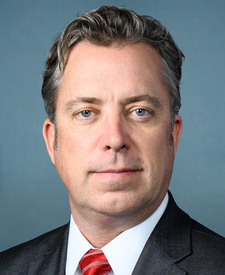
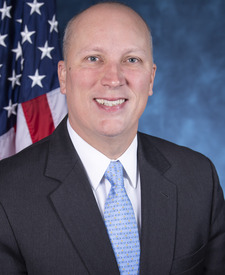

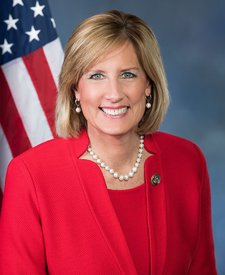
Legislative Progress
In CommitteeMr. Biggs of Arizona (for himself, Mr. LaMalfa, Mr. Burlison, …
Referred to the House Committee on Foreign Affairs.
Introduced in House
Stakeholder Effects
cui bono?How this legislation distributes effects. Mention counts reflect frequency, not effect magnitude.
HHS global health offices, President of the United States, State Department global health staff
Bill Structure & Actor Mappings
Who is "The Secretary" in each section?
We use a combination of our own taxonomy and classification in addition to large language models to assess meaning and potential beneficiaries. High confidence means strong textual evidence. Always verify with the original bill text.
Learn more about our methodology