Chiropractic Medicare Coverage Modernization Act of 2025
Summary
What This Bill Does
The Chiropractic Medicare Coverage Modernization Act of 2025 updates Medicare's treatment of doctors of chiropractic. Current Medicare law recognizes chiropractors only for manual manipulation of the spine to correct a subluxation. The bill removes that narrow limitation and recognizes licensed chiropractors as physicians for all physicians' services furnished within the scope of their state license or authorization. The findings argue that Medicare chiropractic coverage has lagged private coverage, VA care, Department of Defense care, FEHB coverage, and state licensing. The change applies to items and services furnished on or after January 1, 2027. The practical result is broader Medicare reimbursement eligibility for chiropractor-provided services, with state scope-of-practice law determining what services a chiropractor may furnish.
Who Benefits and How
Medicare beneficiaries using chiropractic care benefit from broader covered services when furnished by licensed doctors of chiropractic. Doctors of chiropractic benefit from expanded Medicare recognition and reimbursement opportunities beyond spine manipulation for subluxation. Chiropractic clinics benefit from a larger reimbursable service set for Medicare patients. State chiropractic licensing boards benefit because state scope-of-practice rules become central to Medicare coverage boundaries.
Who Bears the Burden and How
Centers for Medicare and Medicaid Services staff must update Medicare coverage, billing, and provider-recognition rules by January 1, 2027. Medicare Administrative Contractors must process a broader set of chiropractic service claims. Federal taxpayers and Medicare trust funds bear higher payment exposure if additional services are covered. Competing musculoskeletal care providers may face more Medicare-covered competition from chiropractic clinics.
Key Provisions
- Amends Social Security Act section 1861(r)(5) to broaden chiropractic recognition under Medicare.
- Removes the limitation to manual manipulation of the spine for subluxation.
- Expands coverage to physicians' services furnished by licensed chiropractors within state scope of license.
- Requires the expansion to apply to services furnished on or after January 1, 2027.
Evidence Chain:
This summary is generated from the full bill text using AI analysis. Expand "Detailed Analysis" below for identified beneficiaries/burden bearers with clause-level evidence links.
At a Glance
What This Bill Does
Expands Medicare recognition of doctors of chiropractic from only manual spine manipulation for subluxation to all physicians' services furnished by licensed chiropractors within the scope of state license, effective January 1, 2027.
Key Policy Areas
Medicare, Chiropractic Care, Health Care
Primary Purpose
Expands Medicare recognition of doctors of chiropractic from only manual spine manipulation for subluxation to all physicians' services furnished by licensed chiropractors within the scope of state license, effective January 1, 2027.
Policy Domains
Resolution provisions
Identified Gains
- Medicare beneficiaries using chiropractic care
- Doctors of chiropractic
- Chiropractic clinics
- State chiropractic licensing boards
Identified Costs
- Centers for Medicare and Medicaid Services staff
- Medicare Administrative Contractors
- Federal taxpayers
- Competing musculoskeletal care providers
Sponsors




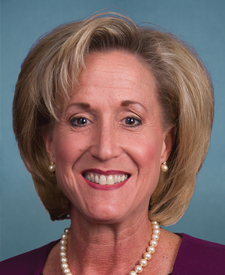
Legislative Progress
In CommitteeMr. Steube (for himself, Mr. Larson of Connecticut, Mr. Smith …
Referred to the Committee on Energy and Commerce, and in …
Introduced in House
Stakeholder Effects
cui bono?How this legislation distributes effects. Mention counts reflect frequency, not effect magnitude.
Chiropractic clinics, Doctors of chiropractic
Medicare beneficiaries using chiropractic care
State chiropractic licensing boards
Bill Structure & Actor Mappings
Who is "The Secretary" in each section?
We use a combination of our own taxonomy and classification in addition to large language models to assess meaning and potential beneficiaries. High confidence means strong textual evidence. Always verify with the original bill text.
Learn more about our methodology