To ensure that health professions opportunity demonstration projects train project participants to earn a recognized postsecondary credential, and to clarify that community colleges are eligible for grants to conduct such a demonstration project.
Sponsors
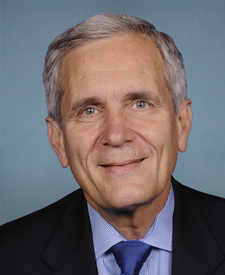
Legislative Progress
IntroducedMr. Doggett introduced the following bill; which was referred to …
Summary
What This Bill Does
The Promoting Health Careers in Community and Technical Colleges Act strengthens workforce training programs in the healthcare sector. It requires that federally-funded health professions demonstration projects train participants to earn recognized postsecondary credentials, including industry-recognized certifications. The bill also explicitly allows community colleges to compete for grants to run these training programs.
Who Benefits and How
Community colleges benefit by becoming explicitly eligible to receive federal grants for health professions demonstration projects. Previously, the law referenced only four-year institutions under the Higher Education Act; this bill adds language that includes two-year community and technical colleges (section 102(a)(1)(B) of the Higher Education Act).
Health profession students and trainees benefit because the programs they enroll in must now lead to recognized credentials. This ensures participants leave with valuable, portable certifications that employers recognize, rather than completing training without a formal credential.
Who Bears the Burden and How
The bill does not impose significant new burdens. Grant recipients (eligible entities running demonstration projects) now have the explicit requirement to ensure their training leads to recognized credentials, which may require adjusting curriculum or partnering with credentialing bodies. However, this is more of a quality standard than a new burden.
Key Provisions
- Amends Section 2008 of the Social Security Act to require demonstration project grantees to train participants toward earning recognized postsecondary credentials, including industry-recognized credentials
- Expands grant eligibility by amending Section 2008(a)(4)(D) to include institutions defined under section 102(a)(1)(B) of the Higher Education Act (community and technical colleges)
- Sets an effective date of October 1, 2025 for these changes to take effect
- The bill is short (4 sections) and narrowly targeted at improving credential outcomes and expanding access for community colleges
Evidence Chain:
This summary is derived from the structured analysis below. See "Detailed Analysis" for per-title beneficiaries/burden bearers with clause-level evidence links.
Primary Purpose
This bill aims to ensure that health professions opportunity demonstration projects provide training for participants to obtain recognized postsecondary credentials, including industry-recognized certifications. It also clarifies the eligibility of community colleges to receive grants for conducting such demonstration projects.
Policy Domains
Bill Structure & Actor Mappings
Who is "The Secretary" in each section?
Key Definitions
Terms defined in this bill
The amendments made by this bill will take effect on October 1, 2025.
Section 2008 of the Social Security Act (42 U.S.C. 1397g) is amended to include a new subsection (c), requiring eligible entities awarded grants for demonstration projects to train participants to earn recognized postsecondary credentials, including industry-recognized certifications.
Section 2008(a)(4)(D) of the Social Security Act (42 U.S.C. 1397g(a)(4)(D)) is amended to expand eligibility for grants to conduct demonstration projects, allowing community colleges to apply.
The bill may be cited as the Promoting Health Careers in Community and Technical Colleges Act.
We use a combination of our own taxonomy and classification in addition to large language models to assess meaning and potential beneficiaries. High confidence means strong textual evidence. Always verify with the original bill text.
Learn more about our methodology