Capital for Beginning Farmers and Ranchers Act of 2025
Summary
What This Bill Does
The Capital for Beginning Farmers and Ranchers Act of 2025 creates a USDA beginning farmer and rancher development loan pilot program. The bill responds to findings that beginning farmers and ranchers often need multi-year start-up investments for specialized production, marketing, soil fertility, perennials, breeding stock, tools, branding, bookkeeping, payroll, labor compliance, food safety, environmental compliance, and other business systems, but existing programs often treat those needs as annual operating loans.
The Secretary of Agriculture must establish the pilot within two years to make or guarantee development loans to qualified beginning farmers and ranchers. Loans may be used only for development expenditures, must have repayment terms of 3 to 10 years, may not exceed $100,000, may have collateral requirements of no more than 100 percent loan-to-value subject to exceptions, and use interest-rate rules set by the bill. USDA must also provide or arrange training and support in bookkeeping, taxation, credit, regulatory compliance, cash flow, profitability, and risk management, using farm borrower training contractors, beginning farmer development grantees, risk management education grantees, or other relevant programs.
Who Benefits and How
Beginning farmers, beginning ranchers, farm businesses with specialized crops or livestock, and farmer training organizations benefit from a loan product better suited to start-up investments that last more than one year. Farm borrower training providers, beginning farmer development grantees, and risk management education programs benefit from roles in delivering required borrower support.
Who Bears the Burden and How
USDA Farm Service Agency loan administrators must design, launch, underwrite, guarantee, train borrowers, evaluate outcomes, and report to Congress. Borrowers must use funds only for development expenditures and participate in training or support. Federal credit programs bear repayment and guarantee risk if borrowers default.
Key Provisions
- Establishes a USDA development loan pilot program for qualified beginning farmers and ranchers.
- Defines development expenditures as capital investments benefiting a farming or ranching business for more than one year.
- Limits development loans to $100,000 and repayment terms of 3 to 10 years.
- Requires borrower training and support in bookkeeping, taxation, credit, regulatory compliance, cash flow, profitability, and risk management.
- Directs USDA to use farm borrower training contractors, beginning farmer development grantees, risk management education programs, or other relevant programs for support.
- Requires ongoing evaluation and biennial reports to the House and Senate agriculture committees.
Evidence Chain:
This summary is generated from the full bill text using AI analysis. Expand "Detailed Analysis" below for identified beneficiaries/burden bearers with clause-level evidence links.
At a Glance
What This Bill Does
Creates a USDA pilot program to make or guarantee development loans of up to $100,000 for qualified beginning farmers and ranchers to finance multi-year start-up investments, with borrower training, ongoing evaluation, and biennial reports to Congress.
Key Policy Areas
Agriculture, Farm Credit, Beginning Farmers, Federal Loans
Primary Purpose
Creates a USDA pilot program to make or guarantee development loans of up to $100,000 for qualified beginning farmers and ranchers to finance multi-year start-up investments, with borrower training, ongoing evaluation, and biennial reports to Congress.
Policy Domains
Sections 2 and 3 beginning farmer and rancher development loan pilot program
Identified Gains
- Beginning farmers
- Beginning ranchers
- Farm borrower training providers
- Risk management education programs
Identified Costs
- USDA Farm Service Agency loan administrators
- Beginning farmer loan applicants
- Federal farm credit programs
Sponsors
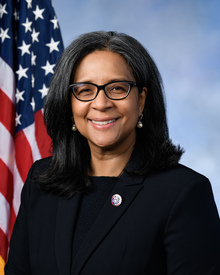
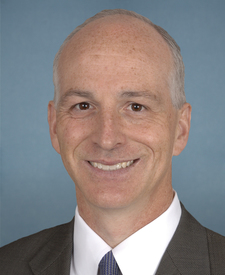
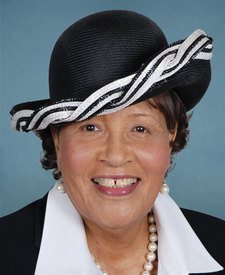
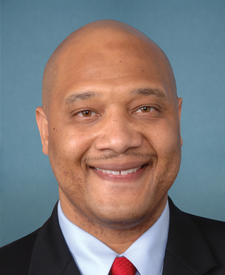

Legislative Progress
In CommitteeReferred to the Subcommittee on General Farm Commodities, Risk Management, …
Ms. Strickland (for herself, Ms. Adams, Mr. Panetta, Ms. Sewell, …
Referred to the House Committee on Agriculture.
Introduced in House
Stakeholder Effects
cui bono?How this legislation distributes effects. Mention counts reflect frequency, not effect magnitude.
Federal farm credit programs, USDA Farm Service Agency loan administrators
Farm borrower training providers, Risk management education programs
Bill Structure & Actor Mappings
Who is "The Secretary" in each section?
- "borrower"
- → Qualified beginning farmer or rancher
- "secretary"
- → Secretary of Agriculture
- "training_provider"
- → Farm borrower training or risk management education provider
Key Definitions
Terms defined in this bill
A capital investment that benefits a qualified beginning farmer or rancher's business for more than one year, including assets, soil fertility, perennials, breeding stock, tools, branding, bookkeeping, payroll, compliance, and other approved business systems.
A USDA-made or guaranteed pilot loan for development expenditures, capped at $100,000 with a 3-to-10-year repayment term.
We use a combination of our own taxonomy and classification in addition to large language models to assess meaning and potential beneficiaries. High confidence means strong textual evidence. Always verify with the original bill text.
Learn more about our methodology