STOP FRAUD in Medicaid Act
Summary
What This Bill Does
The STOP FRAUD in Medicaid Act amends Social Security Act provisions governing State Medicaid fraud control units and state Medicaid plan requirements. Existing language focuses on fraud in the provision of Medicaid items and services. The bill inserts application for and receipt of Medicaid services into those provisions, and adds individuals applying for or receiving services alongside providers. The result is that State Medicaid fraud control units are directed toward beneficiary-side fraud as well as provider-side fraud. The changes apply 180 days after enactment, giving state units and Medicaid agencies time to adjust intake, investigative criteria, and prosecution coordination.
Who Benefits and How
State Medicaid fraud control units benefit from clearer statutory authority to investigate beneficiary application and receipt fraud. State Medicaid agencies benefit if beneficiary-fraud investigations reduce improper Medicaid spending. Federal taxpayers benefit from stronger enforcement against unlawful Medicaid applications and benefit receipt. Medicaid program integrity offices benefit from broader coordination with fraud control units.
Who Bears the Burden and How
Medicaid applicants accused of fraud face greater investigation and prosecution risk. Medicaid beneficiaries accused of unlawful receipt face expanded fraud-control scrutiny. State fraud investigators must update case-selection practices to cover applications and receipt of benefits. Medicaid defense attorneys may see more beneficiary-side fraud cases after the 180-day effective date.
Key Provisions
- Expands Medicaid fraud control unit scope from service provision to applications and receipt of services.
- Adds individuals applying for or receiving Medicaid services to covered fraud-control language.
- Requires state Medicaid plan language to cover application and receipt fraud.
- Applies the amendments 180 days after enactment.
Evidence Chain:
This summary is generated from the full bill text using AI analysis. Expand "Detailed Analysis" below for identified beneficiaries/burden bearers.
At a Glance
What This Bill Does
Expands State Medicaid fraud control unit responsibilities so units may investigate and prosecute fraud tied not only to Medicaid service provision but also to Medicaid applications and receipt of benefits by individuals, effective 180 days after enactment.
Key Policy Areas
Medicaid, Fraud Enforcement, State Government
Primary Purpose
Expands State Medicaid fraud control unit responsibilities so units may investigate and prosecute fraud tied not only to Medicaid service provision but also to Medicaid applications and receipt of benefits by individuals, effective 180 days after enactment.
Policy Domains
Resolution provisions
Identified Gains
Contextual inference, no direct clause citation- State Medicaid fraud control units
- State Medicaid agencies
- Federal taxpayers
- Medicaid program integrity offices
Contextual inference, no direct clause citation
Identified Costs
Contextual inference, no direct clause citation- Medicaid applicants accused of fraud
- Medicaid beneficiaries accused of unlawful receipt
- State fraud investigators
- Medicaid defense attorneys
Contextual inference, no direct clause citation
Sponsors

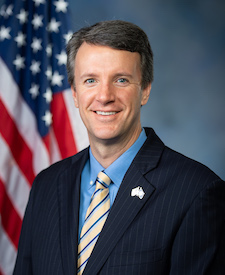
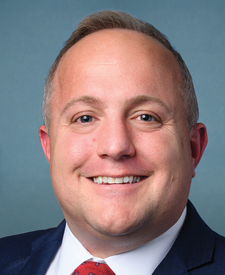
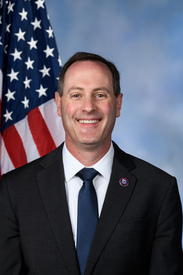
Legislative Progress
In CommitteeMr. Schmidt introduced the following bill; which was referred to …
Referred to the House Committee on Energy and Commerce.
Introduced in House
Bill Structure & Actor Mappings
Who is "The Secretary" in each section?
We use a combination of our own taxonomy and classification in addition to large language models to assess meaning and potential beneficiaries. High confidence means strong textual evidence. Always verify with the original bill text.
Learn more about our methodology