College Students Continuation of Mental Health Care Act of 2025
Summary
What This Bill Does
The College Students Continuation of Mental Health Care Act creates a federal telehealth reciprocity rule for college mental health providers. A provider employed by an institution of higher education and licensed or authorized in the institution's state may provide mental health services through telehealth to a covered student located in another state unless that provider is affirmatively excluded from practice there. Before providing services, the provider must verify the student's identity, obtain and record oral or written acknowledgment that the student intends to receive telehealth services, obtain or confirm more than one telehealth contact method for technology failure, and, for a new treatment relationship, either obtain written acknowledgment that the student understands a treatment relationship is being established or use real-time telehealth. The provider acts within the scope of the primary-state license, but may not provide services or methods prohibited in the student's location. Malpractice insurance must treat the service as furnished in the primary state. Congress also consents to state agreements or compacts consistent with the bill. Covered students include current students and students who attended the institution within the prior three months.
Who Benefits and How
College students receiving mental health care benefit because they can continue telehealth treatment when located outside the provider's licensing state. College counseling center clinicians benefit because they can serve enrolled or recently enrolled students across state lines under their primary-state authorization. Students on academic breaks benefit because the covered-student definition includes attendance within the prior three months. University mental health programs benefit from clearer federal rules for cross-state continuity of care.
Who Bears the Burden and How
College mental health providers must verify identity, obtain acknowledgments, record consent, confirm backup telehealth contacts, and respect local service prohibitions. State licensing boards lose some ability to require separate local licensure for college tele-mental-health services. Malpractice insurers must treat covered telehealth services as furnished in the provider's primary state. Institutions of higher education must manage compliance for employed providers serving students across state lines.
Key Provisions
- Authorizes cross-state telehealth mental health services by college mental health providers for covered students.
- Requires identity verification, student acknowledgments, backup contact methods, and treatment-relationship safeguards.
- Limits services by prohibitions in the student's location even when the provider uses the primary-state license.
- Requires malpractice coverage to treat services as furnished in the provider's primary state.
- Allows state compacts or agreements consistent with the federal reciprocity rule.
Evidence Chain:
This summary is generated from the full bill text using AI analysis. Expand "Detailed Analysis" below for identified beneficiaries/burden bearers with clause-level evidence links.
At a Glance
What This Bill Does
Allows college mental health providers to furnish telehealth mental health services across state lines to enrolled or recently enrolled students unless excluded by the student's state, while requiring identity verification, consent acknowledgments, backup contact methods, and malpractice coverage treatment as services in the provider's primary state.
Key Policy Areas
Mental Health, Higher Education, Telehealth
Primary Purpose
Allows college mental health providers to furnish telehealth mental health services across state lines to enrolled or recently enrolled students unless excluded by the student's state, while requiring identity verification, consent acknowledgments, backup contact methods, and malpractice coverage treatment as services in the provider's primary state.
Policy Domains
Resolution provisions
Identified Gains
- College students receiving mental health care
- College counseling center clinicians
- Students on academic breaks
- University mental health programs
Identified Costs
- College mental health providers
- State licensing boards
- Malpractice insurers
- Institutions of higher education
Sponsors


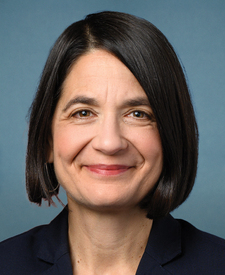


Legislative Progress
In CommitteeMr. Flood (for himself, Mr. Bacon, and Mr. Nunn of …
Referred to the Committee on Energy and Commerce, and in …
Introduced in House
Stakeholder Effects
cui bono?How this legislation distributes effects. Mention counts reflect frequency, not effect magnitude.
College counseling center clinicians, College mental health providers, College students receiving mental health care
Positive-direction: College counseling center clinicians, College students receiving mental health care
Negative-direction: College mental health providers
Bill Structure & Actor Mappings
Who is "The Secretary" in each section?
We use a combination of our own taxonomy and classification in addition to large language models to assess meaning and potential beneficiaries. High confidence means strong textual evidence. Always verify with the original bill text.
Learn more about our methodology