To amend the Fair Credit Reporting Act to prohibit the use of consumer credit checks against prospective and current employees for the purposes of making adverse employment decisions.
Analysis under review: This bill has generated analysis that may be too generic or incomplete. Clause-level evidence remains available below.
Summary
What This Bill Does
The Equal Employment for All Act of 2025 prohibits employers from using credit checks and credit reports when making hiring and employment decisions. The bill amends the Fair Credit Reporting Act to prevent prospective and current employers from using a person's creditworthiness, credit standing, or credit capacity as a factor in employment, with limited exceptions for positions requiring national security clearances or where otherwise required by law.
Who Benefits and How
Job applicants and employees benefit significantly from this bill. People with poor credit histories, medical debt, student loans, or past financial hardships will no longer face employment discrimination based on their credit reports. This is particularly beneficial for lower-income workers, young people building credit, and those recovering from financial setbacks like divorce, job loss, or medical emergencies. Consumer advocacy groups also benefit as this advances their longstanding goal of separating credit history from employment eligibility.
Who Bears the Burden and How
Employers across all industries face new compliance requirements and restrictions. They must change their hiring practices to exclude credit-related information from employment decisions, update their screening procedures, and train HR staff on the new rules. Companies that currently use credit checks as part of their hiring process will need to find alternative methods to evaluate candidates. Background check companies and credit reporting agencies may see reduced demand for employment-related credit reports. Financial services firms and employers requiring security clearances are exempt but still face the administrative burden of documenting why an exception applies.
Key Provisions
- Prohibits employers from using consumer credit reports for hiring decisions or adverse employment actions
- Makes the prohibition apply even if the job applicant or employee consents to the credit check
- Exempts positions requiring national security clearance from the prohibition
- Exempts situations where credit checks are otherwise required by law
- Amends multiple sections of the Fair Credit Reporting Act to enforce the restrictions on credit reporting agencies as well as employers
Evidence Chain:
This summary is generated from the full bill text using AI analysis. Expand "Detailed Analysis" below for identified beneficiaries/burden bearers.
At a Glance
What This Bill Does
The bill aims to prohibit the use of consumer credit checks by employers for making adverse employment decisions, ensuring equal opportunities in hiring.
Key Policy Areas
Employment, Consumer Protection
Primary Purpose
The bill aims to prohibit the use of consumer credit checks by employers for making adverse employment decisions, ensuring equal opportunities in hiring.
Policy Domains
Sponsors

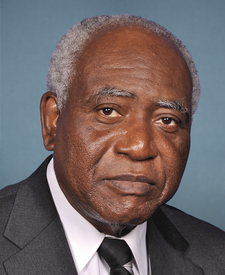



Legislative Progress
IntroducedMr. Cohen (for himself, Mr. Davis of Illinois, Mr. Mullin, …
Stakeholder Effects
cui bono?How this legislation distributes effects. Mention counts reflect frequency, not effect magnitude.
Bill Structure & Actor Mappings
Who is "The Secretary" in each section?
- "the_secretary"
- → Secretary of Labor
We use a combination of our own taxonomy and classification in addition to large language models to assess meaning and potential beneficiaries. High confidence means strong textual evidence. Always verify with the original bill text.
Learn more about our methodology