FAIR Act of 2025
Summary
What This Bill Does
The FAIR Act amends title 9 to make predispute arbitration agreements and predispute joint-action waivers invalid and unenforceable for employment, consumer, antitrust, and civil-rights disputes. It defines antitrust disputes as alleged federal or state antitrust violations where plaintiffs seek class certification. Civil-rights disputes include constitutional claims and federal, state, or local anti-discrimination laws involving race, sex, age, gender identity, sexual orientation, disability, religion, national origin, or other protected status in education, employment, credit, housing, public accommodations, voting, veterans or servicemembers, health care, or government-funded programs. Consumer disputes cover personal, family, or household property, services, digital technology services, investments, money, or credit, including third parties involved in selling, payment, data use, or related relationships. Employment disputes cover work and prospective work relationships, including pay, recruitment, referral, discipline, discharge, and independent-contractor classifications. Courts, not arbitrators, decide whether the chapter applies and whether covered arbitration agreements or joint-action waivers are valid, even if the agreement delegates that decision to an arbitrator. The bill does not apply to arbitration provisions in contracts between employers and labor organizations or between labor organizations, but those provisions cannot waive a worker's right to judicial enforcement of constitutional, state constitutional, federal statutory, state statutory, or public-policy rights.
Who Benefits and How
Workers benefit because employers cannot enforce predispute arbitration clauses or class-action waivers for covered employment disputes. Consumers benefit because companies cannot force covered consumer claims into arbitration before a dispute arises. Civil rights plaintiffs benefit because courts remain available for covered discrimination and constitutional claims. Antitrust class plaintiffs benefit because covered class claims are not blocked by predispute arbitration or joint-action waivers.
Who Bears the Burden and How
Employers lose a major tool for forcing employment disputes into individual arbitration. Consumer-facing companies lose enforceability of predispute arbitration clauses and joint-action waivers in covered consumer disputes. Arbitration providers may lose case volume in employment, consumer, antitrust class, and civil-rights disputes. Federal courts must decide applicability and enforceability questions that agreements may have delegated to arbitrators.
Key Provisions
- Bars enforcement of predispute arbitration agreements for employment, consumer, antitrust, and civil-rights disputes.
- Blocks predispute joint-action waivers for the same dispute categories.
- Requires courts rather than arbitrators to decide whether the chapter applies and whether covered agreements are enforceable.
- Protects collective-bargaining arbitration while preserving workers' judicial enforcement of constitutional and statutory rights.
Evidence Chain:
This summary is generated from the full bill text using AI analysis. Expand "Detailed Analysis" below for identified beneficiaries/burden bearers with clause-level evidence links.
At a Glance
What This Bill Does
Invalidates predispute arbitration agreements and predispute joint-action waivers for employment, consumer, antitrust class, and civil-rights disputes, requires courts rather than arbitrators to decide applicability and enforceability, and preserves collective-bargaining arbitration except when it waives workers' judicial enforcement of constitutional or statutory rights.
Key Policy Areas
Civil Litigation, Labor, Consumer Protection
Primary Purpose
Invalidates predispute arbitration agreements and predispute joint-action waivers for employment, consumer, antitrust class, and civil-rights disputes, requires courts rather than arbitrators to decide applicability and enforceability, and preserves collective-bargaining arbitration except when it waives workers' judicial enforcement of constitutional or statutory rights.
Policy Domains
Resolution provisions
Identified Gains
- Workers
- Consumers
- Civil rights plaintiffs
- Antitrust class plaintiffs
Identified Costs
- Employers
- Consumer-facing companies
- Arbitration providers
- Federal courts
Sponsors



Legislative Progress
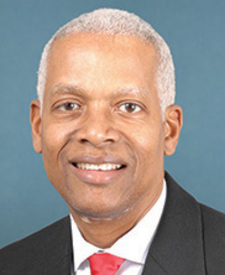
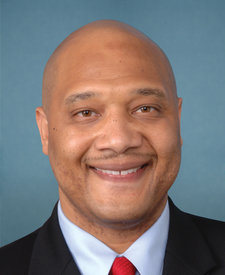
In CommitteeMr. Johnson of Georgia (for himself, Ms. Barragán, Ms. Bonamici, …
Referred to the House Committee on the Judiciary.
Introduced in House
Stakeholder Effects
cui bono?How this legislation distributes effects. Mention counts reflect frequency, not effect magnitude.
Antitrust class plaintiffs, Arbitration providers, Civil rights plaintiffs
Positive-direction: Antitrust class plaintiffs, Civil rights plaintiffs
Negative-direction: Arbitration providers
Bill Structure & Actor Mappings
Who is "The Secretary" in each section?
We use a combination of our own taxonomy and classification in addition to large language models to assess meaning and potential beneficiaries. High confidence means strong textual evidence. Always verify with the original bill text.
Learn more about our methodology