LOCAL Foods Act of 2025
Summary
What This Bill Does
The LOCAL Foods Act expands the Federal Meat Inspection Act exemption for personal-use slaughter and meat preparation. Current language is centered on a person slaughtering animals of his own raising for his household, nonpaying guests, and employees. The bill replaces that with an exemption for slaughtering animals by any person who owns the animals in whole or in part, or preparation or transportation in commerce of carcasses, parts, meat, or meat food products from those animals by an owner, when the slaughter, preparation, or transportation is exclusively for the use of an owner or the household, nonpaying guests, or employees of an owner. If an owner designates an agent to assist, the owner must maintain custody and specific identification of the carcasses, parts, meat, or meat food products as determined by the Secretary. The practical effect is to make herd-share, co-owned animal, local custom slaughter, and owner-assisted meat processing easier while keeping the meat outside ordinary commercial inspected channels.
Who Benefits and How
Livestock co-owners benefit because the personal-use exemption applies to animals they own in whole or in part. Small livestock farmers benefit because customers using shared ownership models have a clearer path for personal-use slaughter and meat preparation. Custom slaughter operators benefit if owners can designate agents to assist while maintaining custody and identification. Local food consumers benefit from more flexible access to meat from animals they partly own.
Who Bears the Burden and How
USDA Food Safety and Inspection Service staff must interpret the expanded exemption and custody-identification condition. Large inspected meat processors may face more competition from local personal-use meat arrangements. Animal owners using agents must maintain custody and specific identification of carcasses, parts, meat, and meat food products. State meat inspection offices must account for expanded federal exemption language when coordinating local enforcement.
Key Provisions
- Expands the personal-use slaughter exemption to whole or partial animal owners.
- Allows preparation and transportation in commerce of meat from owned animals for owners, households, nonpaying guests, or employees.
- Allows an owner-designated agent to assist with slaughter, preparation, or transportation.
- Requires owner custody and specific identification when an agent assists.
Evidence Chain:
This summary is generated from the full bill text using AI analysis. Expand "Detailed Analysis" below for identified beneficiaries/burden bearers with clause-level evidence links.
At a Glance
What This Bill Does
Expands the Federal Meat Inspection Act personal-use slaughter exemption so any whole or partial animal owner may slaughter, prepare, or transport meat from those animals for use by owners, households, nonpaying guests, or employees, while allowing an owner-designated agent if custody and specific identification are maintained.
Key Policy Areas
Agriculture, Food Safety, Meat Processing
Primary Purpose
Expands the Federal Meat Inspection Act personal-use slaughter exemption so any whole or partial animal owner may slaughter, prepare, or transport meat from those animals for use by owners, households, nonpaying guests, or employees, while allowing an owner-designated agent if custody and specific identification are maintained.
Policy Domains
Resolution provisions
Identified Gains
- Livestock co-owners
- Small livestock farmers
- Custom slaughter operators
- Local food consumers
Identified Costs
- USDA Food Safety and Inspection Service staff
- Large inspected meat processors
- Animal owners using agents
- State meat inspection offices
Sponsors

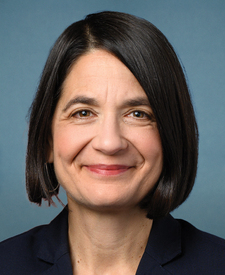
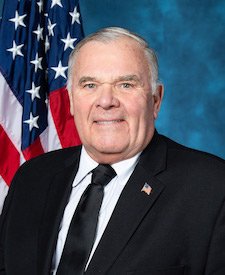
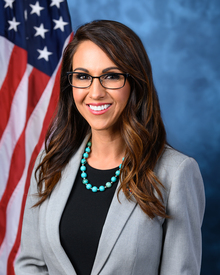
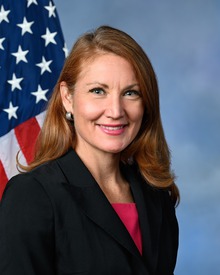
Legislative Progress
In CommitteeReferred to the Subcommittee on Livestock, Dairy, and Poultry.
Mr. Vindman (for himself and Mr. Baird) introduced the following …
Referred to the House Committee on Agriculture.
Introduced in House
Stakeholder Effects
cui bono?How this legislation distributes effects. Mention counts reflect frequency, not effect magnitude.
Custom slaughter operators, Large inspected meat processors, Livestock co-owners
Positive-direction: Custom slaughter operators, Livestock co-owners, Small livestock farmers
Negative-direction: Large inspected meat processors
Bill Structure & Actor Mappings
Who is "The Secretary" in each section?
We use a combination of our own taxonomy and classification in addition to large language models to assess meaning and potential beneficiaries. High confidence means strong textual evidence. Always verify with the original bill text.
Learn more about our methodology