Susan E. Lukas 9/11 Servicemember Fairness Act
Summary
What This Bill Does
The Susan E. Lukas 9/11 Servicemember Fairness Act creates a new VA service-connection presumption for Pentagon Reservation toxin exposure after the September 11 attacks. A covered veteran is one who performed active military, naval, air, or space service while assigned to a duty station at the Pentagon Reservation from September 11, 2001 through November 19, 2001. For purposes of VA disability compensation, specified diseases manifesting in a covered veteran are treated as incurred in or aggravated by service even if the veteran's service records do not show the disease during service, subject to section 1113 rebuttal rules. Listed diseases include asthma, chronic obstructive pulmonary disease, emphysema, tracheomalacia, any cancer, any cardiovascular disease, any skin disease, any respiratory disease, and any other illness or condition that VA determines by regulation warrants a presumption based on a positive association with a substance, chemical, or airborne hazard identified under section 1119(b)(2).
Who Benefits and How
Pentagon Reservation veterans benefit because listed diseases are presumed service connected for VA compensation. Veterans with respiratory diseases benefit from presumptive coverage for asthma, COPD, emphysema, tracheomalacia, and other respiratory illness. Veterans with cancer benefit because cancer of any type is included in the presumptive disease list. Veterans service organizations benefit from clearer statutory grounds for helping affected 9/11 Pentagon veterans file claims.
Who Bears the Burden and How
Department of Veterans Affairs claims processors must apply the new Pentagon Reservation service-connection presumption. VA medical examiners must evaluate listed diseases under the new presumption and section 1113 rebuttal rules. Federal taxpayers fund additional disability compensation for claims approved under the presumption. VA rulemaking staff must determine any additional illnesses tied to covered substances, chemicals, or airborne hazards.
Key Provisions
- Creates a service-connection presumption for veterans assigned to the Pentagon Reservation from September 11 through November 19, 2001.
- Covers asthma, COPD, emphysema, tracheomalacia, cancer, cardiovascular disease, skin disease, respiratory disease, and later VA-designated illnesses.
- Applies even when service records do not show the disease during service.
- Requires VA to use toxin and airborne-hazard associations when adding future presumptive conditions.
Evidence Chain:
This summary is generated from the full bill text using AI analysis. Expand "Detailed Analysis" below for identified beneficiaries/burden bearers with clause-level evidence links.
At a Glance
What This Bill Does
Creates a VA presumption of service connection for covered veterans assigned to the Pentagon Reservation from September 11 through November 19, 2001 who later develop listed diseases associated with exposure to toxins.
Key Policy Areas
Veterans, Health Care, Disability Benefits
Primary Purpose
Creates a VA presumption of service connection for covered veterans assigned to the Pentagon Reservation from September 11 through November 19, 2001 who later develop listed diseases associated with exposure to toxins.
Policy Domains
Resolution provisions
Identified Gains
- Pentagon Reservation veterans
- Veterans with respiratory diseases
- Veterans with cancer
- Veterans service organizations
Identified Costs
- Department of Veterans Affairs claims processors
- VA medical examiners
- Federal taxpayers
- VA rulemaking staff
Sponsors

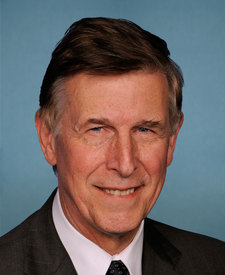


Legislative Progress
In CommitteeSubcommittee Consideration and Mark-up Session Held
Forwarded by Subcommittee to Full Committee by Voice Vote.
Subcommittee Hearings Held
Referred to the Subcommittee on Disability Assistance and Memorial Affairs.
Introduced in House
Referred to the House Committee on Veterans' Affairs.
Mr. Subramanyam (for himself, Mr. Beyer, Mr. Wittman, and Mr. …
Sponsor introductory remarks on measure. (CR H4254)
Stakeholder Effects
cui bono?How this legislation distributes effects. Mention counts reflect frequency, not effect magnitude.
Pentagon Reservation veterans, Veterans with cancer, Veterans with respiratory diseases
Bill Structure & Actor Mappings
Who is "The Secretary" in each section?
We use a combination of our own taxonomy and classification in addition to large language models to assess meaning and potential beneficiaries. High confidence means strong textual evidence. Always verify with the original bill text.
Learn more about our methodology