Motor Carrier Safety Selection Standard Act of 2024
Summary
What This Bill Does
The Motor Carrier Safety Selection Standard Act creates a federal standard of care for negligent-selection claims involving motor carriers. A covered entity is considered reasonable and prudent in selecting a covered motor carrier if, no earlier than 45 days before shipment and no later than the shipment date, it verifies that the carrier is registered as a motor carrier or household goods carrier, has at least the minimum required federal and state insurance, and is confirmed by FMCSA to meet required safety standards. The interim public confirmation must say either that the carrier meets all FMCSA operating requirements and is authorized to operate, or that it is not confirmed and fails one or more requirements. Within one year, the Transportation Secretary must issue final regulations revising the safety-fitness determination methodology, considering all available data and providing a procedure to determine whether a motor carrier is not fit to operate in interstate commerce. Individual shippers receive a simpler safe standard by showing they contracted with a covered motor carrier. The bill does not preempt state drayage laws and defines covered entities to include shippers, consignees, brokers, freight forwarders, ocean transportation intermediaries arranging inland transport, TSA-approved indirect air carriers, customs brokers in covered activities, and registered motor carriers.
Who Benefits and How
Freight brokers benefit from a federal negligent-selection safe standard when they verify registration, insurance, and FMCSA safety status. Shippers of goods benefit from clearer liability rules for selecting motor carriers. Household goods freight forwarders benefit from the same selection standard when arranging covered shipments. Individual shippers benefit because they are deemed reasonable and prudent by showing they contracted with a covered motor carrier.
Who Bears the Burden and How
Federal Motor Carrier Safety Administration staff must provide public safety-status confirmations and issue revised safety-fitness regulations within one year. Motor carriers failing FMCSA requirements may be publicly identified as not confirmed to operate on the nation's roadways. Plaintiffs bringing negligent-selection claims face a statutory defense when covered entities completed the required checks. Transportation Secretary rulemaking staff must revise appendix B to part 385 and safety-fitness procedures using all available data.
Key Provisions
- Creates a reasonable-and-prudent standard for negligent motor-carrier selection claims.
- Requires verification of carrier registration, minimum insurance, and FMCSA safety compliance within 45 days before shipment.
- Requires FMCSA public confirmation statements on whether a carrier is authorized to operate.
- Requires final safety-fitness regulations within one year using all available data.
- Protects state drayage laws from preemption.
Evidence Chain:
This summary is generated from the full bill text using AI analysis. Expand "Detailed Analysis" below for identified beneficiaries/burden bearers with clause-level evidence links.
At a Glance
What This Bill Does
Creates a reasonable-and-prudent selection safe standard for shippers, brokers, freight forwarders, intermediaries, indirect air carriers, customs brokers, and motor carriers that verify a carrier's registration, insurance, and FMCSA safety status before shipment, while requiring FMCSA to revise safety-fitness regulations within one year.
Key Policy Areas
Trucking, Transportation Safety, Civil Liability
Primary Purpose
Creates a reasonable-and-prudent selection safe standard for shippers, brokers, freight forwarders, intermediaries, indirect air carriers, customs brokers, and motor carriers that verify a carrier's registration, insurance, and FMCSA safety status before shipment, while requiring FMCSA to revise safety-fitness regulations within one year.
Policy Domains
Resolution provisions
Identified Gains
- Freight brokers
- Shippers of goods
- Household goods freight forwarders
- Individual shippers
Identified Costs
- Federal Motor Carrier Safety Administration staff
- Motor carriers failing FMCSA requirements
- Plaintiffs bringing negligent-selection claims
- Transportation Secretary rulemaking staff
Sponsors
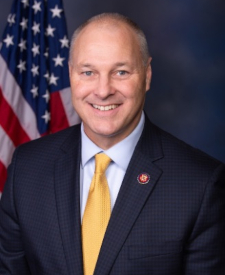
Legislative Progress
In CommitteeReferred to the Subcommittee on Highways and Transit.
Mr. Stauber introduced the following bill; which was referred to …
Referred to the House Committee on Transportation and Infrastructure.
Introduced in House
Stakeholder Effects
cui bono?How this legislation distributes effects. Mention counts reflect frequency, not effect magnitude.
Freight brokers, Motor carriers failing FMCSA requirements
Positive-direction: Freight brokers
Negative-direction: Motor carriers failing FMCSA requirements
Plaintiffs bringing negligent-selection claims
Bill Structure & Actor Mappings
Who is "The Secretary" in each section?
We use a combination of our own taxonomy and classification in addition to large language models to assess meaning and potential beneficiaries. High confidence means strong textual evidence. Always verify with the original bill text.
Learn more about our methodology